Printed circuit boards can be manufactured using a variety of substrate materials. Among them, FR4 is the most commonly used material for general electronics, while ceramic substrates are typically used in applications requiring high thermal conductivity and temperature stability.
Although both technologies provide electrical interconnection between components, their physical properties and performance characteristics differ significantly.
For a broader overview of ceramic substrates and their applications, see our Ceramic PCB Design Guide.
Understanding these differences helps engineers select the appropriate substrate material for their electronic designs.
What Is an FR4 PCB?
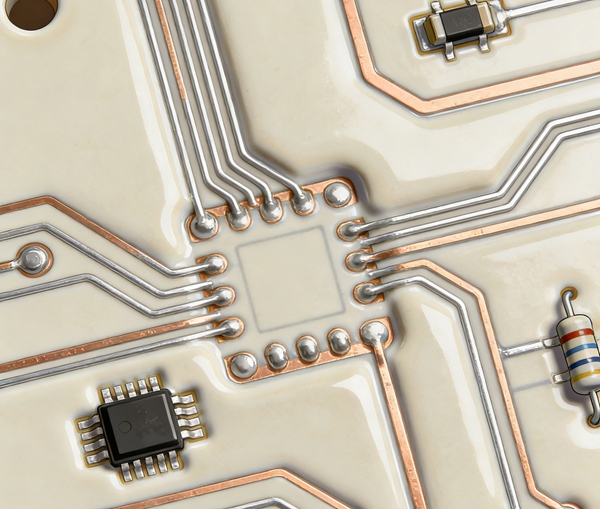
FR4 PCBs use fiberglass-reinforced epoxy laminates as the substrate material. The name FR4 refers to a flame-retardant grade of fiberglass laminate widely used in multilayer circuit boards.
FR4 boards offer several advantages:
- low manufacturing cost
- strong mechanical stability
- compatibility with multilayer PCB fabrication
- mature manufacturing processes
Because of these characteristics, FR4 PCBs are widely used in consumer electronics, computers, industrial equipment, and communication devices.
If you want to understand how FR4 boards are fabricated, see PCB Manufacturing Process Step by Step.
What Is a Ceramic PCB?
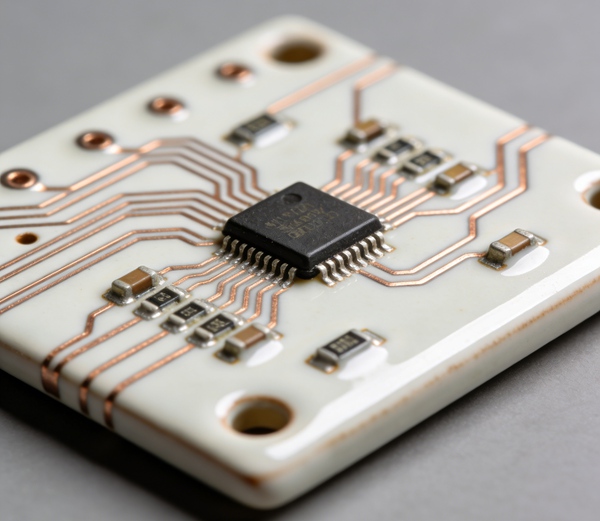
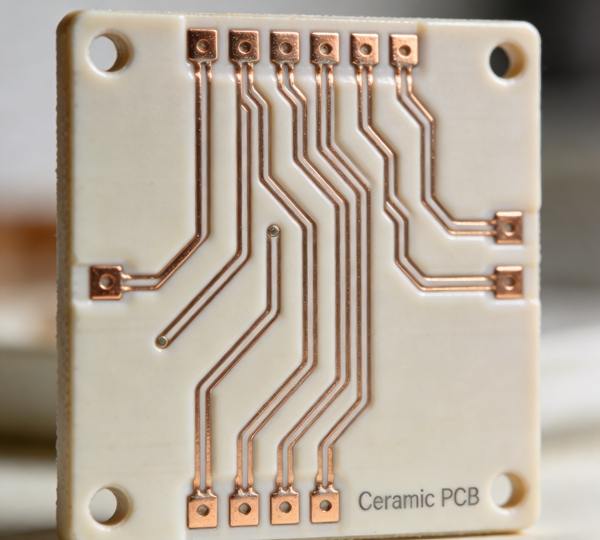
Ceramic PCBs use ceramic materials such as alumina or aluminum nitride as the substrate instead of fiberglass laminates.
Ceramic substrates provide several unique properties:
- high thermal conductivity
- excellent electrical insulation
- high temperature resistance
- stable dielectric characteristics
These properties make ceramic PCBs suitable for applications involving high power density or elevated operating temperatures.
More information about substrate materials can also be found in PCB Material Guide.
Thermal Performance Comparison
Thermal conductivity is one of the biggest differences between ceramic PCBs and FR4 boards.
FR4 laminates have relatively low thermal conductivity, which can limit heat dissipation in high-power circuits.
Ceramic substrates provide significantly higher thermal conductivity, allowing heat to transfer more efficiently away from electronic components.
Typical values include:
| Material | Thermal Conductivity |
|---|---|
| FR4 | 0.3–0.5 W/m·K |
| Alumina | 20–30 W/m·K |
| Aluminum Nitride | 170–200 W/m·K |
Because of this large difference, ceramic PCBs are often used in power electronics where efficient thermal management is critical.
Design strategies for managing heat in electronic circuits are discussed in Thermal Management in PCB Design.
Electrical Performance Comparison
Electrical performance is another important factor when choosing between ceramic and FR4 substrates.
Ceramic materials typically offer:
- stable dielectric constant
- low dielectric loss
- better performance at high frequencies
These characteristics make ceramic PCBs well suited for RF and microwave circuits.
FR4 materials, while adequate for most digital circuits, may introduce higher signal losses at very high frequencies.
For high-frequency circuit design considerations, see High-Frequency PCB Design Guide.
Mechanical and Reliability Differences
FR4 boards are relatively flexible and resistant to mechanical stress. They can tolerate vibration and minor mechanical deformation during assembly.
Ceramic substrates, on the other hand, are rigid and brittle. While they provide excellent thermal stability, they are more sensitive to mechanical shock.
However, ceramic materials have superior temperature stability and can operate at significantly higher temperatures than FR4 laminates.
Reliability considerations for advanced PCBs are discussed further in PCB Failure Analysis Guide.
Manufacturing and Process Differences
Manufacturing processes for ceramic PCBs differ significantly from those used for standard FR4 boards.
FR4 boards are produced using well-established multilayer lamination and etching techniques.
Ceramic PCBs often use specialized processes such as:
- direct bonded copper (DBC)
- direct plated copper (DPC)
These processes allow copper layers to bond directly to the ceramic substrate.
A more detailed explanation can be found in Ceramic PCB Manufacturing Process.
Cost Comparison
Cost is another major factor when selecting PCB materials.
FR4 PCBs are widely used partly because they offer very low production cost, especially in high-volume manufacturing.
Ceramic PCBs are typically more expensive due to:
- higher material cost
- specialized manufacturing processes
- lower production volume
However, in high-power electronic systems, ceramic PCBs can reduce the need for additional cooling solutions, which may offset some of the higher substrate cost.
More details about design and production costs can be found in PCB Manufacturing Cost Factors.
Typical Applications
FR4 PCBs are commonly used in:
- consumer electronics
- computer hardware
- industrial control systems
- communication equipment
Ceramic PCBs are widely used in:
- power semiconductor modules
- LED lighting systems
- RF and microwave electronics
- automotive power electronics
- aerospace systems
These applications often require materials capable of handling high thermal loads and operating temperatures.
Choosing Between Ceramic and FR4 PCBs
The choice between ceramic and FR4 substrates depends largely on the thermal and electrical requirements of the application.
FR4 is suitable for most general electronic circuits where cost and manufacturing flexibility are important.
Ceramic substrates are preferred when:
- high thermal conductivity is required
- operating temperatures are very high
- RF performance is critical
- long-term reliability is required in harsh environments
Evaluating these factors early in the design process helps ensure the correct material selection.
Conclusion
FR4 PCBs remain the dominant technology in the electronics industry due to their low cost and versatile manufacturing capabilities.
However, ceramic PCBs provide superior thermal performance and electrical stability, making them ideal for high-power and high-frequency applications.
Engineers must evaluate thermal requirements, electrical performance, and manufacturing constraints when choosing between these two PCB technologies.
For more details on ceramic substrates and their design considerations, see Ceramic PCB Design Guide.
Ceramic PCB vs FR4 PCB FAQ
A: Ceramic PCBs use ceramic substrates with high thermal conductivity, while FR4 boards use fiberglass epoxy laminates with lower thermal performance.
A: Yes. Ceramic materials such as aluminum nitride provide much higher thermal conductivity than FR4, making them better suited for high-power electronics.
A: Ceramic PCBs use specialized materials and manufacturing processes such as direct bonded copper, which increases production cost.
A: Yes. Ceramic substrates provide stable dielectric properties and low signal loss, making them suitable for RF and microwave applications.
A: Ceramic PCBs are typically used when circuits require high thermal conductivity, high temperature resistance, or reliable performance in harsh environments.