FR4 is the most commonly used substrate material in printed circuit board manufacturing. It is widely used in consumer electronics, industrial equipment, communication systems, and computing devices.
The material offers a combination of mechanical strength, electrical insulation, and relatively low manufacturing cost. Because of this balance of properties, FR4 remains the standard material for most multilayer PCBs.
Understanding the characteristics of FR4 helps engineers determine whether it is suitable for a particular circuit design.
For a comparison between different PCB substrate materials, see PCB Material Guide.
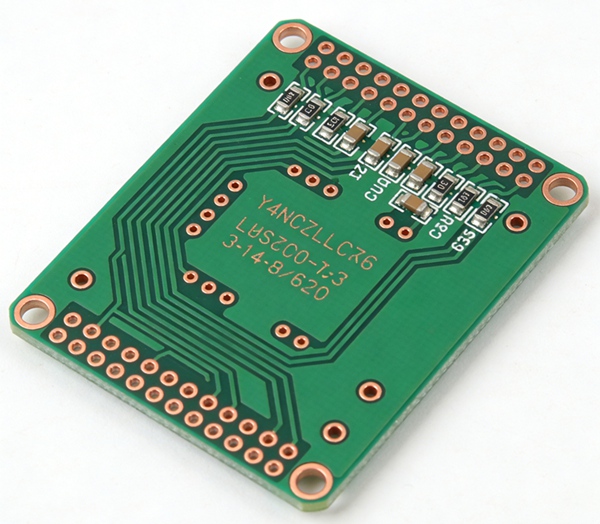
What Is FR4 Material?
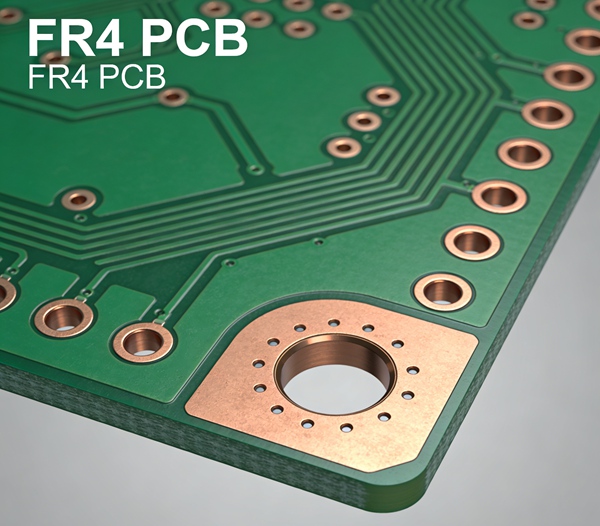
FR4 is a composite material made from woven fiberglass cloth combined with epoxy resin. The material is laminated under heat and pressure to form rigid sheets used as PCB substrates.
The term “FR” stands for flame retardant, indicating that the material meets specific fire resistance standards.
Copper foil is laminated onto the FR4 sheets to form the conductive layers used in PCB fabrication.
The structure of a typical FR4 PCB includes:
- fiberglass reinforcement
- epoxy resin matrix
- copper layers
- solder mask and surface finish
More details about PCB fabrication steps are explained in PCB Manufacturing Process Step by Step.
Key Properties of FR4 PCBs
FR4 materials offer several characteristics that make them suitable for electronic circuits.
Mechanical Strength
Fiberglass reinforcement gives FR4 boards strong structural stability. This helps PCBs maintain their shape during assembly and operation.
Electrical Insulation
FR4 provides good electrical insulation between conductive layers, which is essential for reliable circuit operation.
Flame Resistance
The epoxy resin used in FR4 materials contains flame-retardant additives, allowing the material to meet safety standards for electronic products.
Cost Efficiency
Compared with specialized substrates such as ceramic or PTFE materials, FR4 is relatively inexpensive and widely available.
A comparison between FR4 and ceramic substrates can be found in Ceramic PCB vs FR4 PCB: Thermal, Electrical, and Cost Comparison.
Advantages of FR4 PCBs
Several factors contribute to the widespread use of FR4 materials.
Mature Manufacturing Process
FR4 PCBs can be manufactured using standard PCB fabrication processes. This makes them compatible with multilayer board production and high-volume manufacturing.
Mechanical Durability
FR4 boards can withstand mechanical stress and vibration better than brittle materials such as ceramic substrates.
Wide Availability
FR4 laminates are produced by many suppliers and are available in different thicknesses and performance grades.
Limitations of FR4 Materials
Although FR4 materials are widely used, they also have certain limitations.
Thermal Conductivity
FR4 has relatively low thermal conductivity compared with ceramic substrates or metal-core PCBs. This can limit heat dissipation in high-power circuits.
High-Frequency Performance
FR4 materials have higher dielectric loss compared with specialized RF materials. This may affect signal integrity in high-frequency circuits.
Design considerations for high-speed circuits are explained in High-Speed PCB Design Guide.
Temperature Limitations
Standard FR4 materials typically operate reliably within moderate temperature ranges. Applications involving very high temperatures may require alternative substrate materials.
Thermal design strategies are discussed in Thermal Management in PCB Design.
Typical Applications of FR4 PCBs
Because of its balanced performance and cost advantages, FR4 is used in a wide variety of electronic products.
Common applications include:
- consumer electronics
- computer motherboards
- industrial control systems
- communication equipment
- automotive electronics
For many products, FR4 provides adequate electrical performance while keeping manufacturing costs relatively low.
When to Choose FR4 for PCB Design
FR4 is usually the preferred material when:
- circuit temperatures remain within normal operating ranges
- manufacturing cost is an important consideration
- high-volume production is required
- standard multilayer PCB fabrication is sufficient
However, applications involving very high power or high frequencies may require alternative materials.
Engineers should evaluate electrical, thermal, and mechanical requirements when selecting the PCB substrate.
Conclusion
FR4 remains the most widely used PCB substrate material because it offers a reliable balance of performance, manufacturability, and cost.
While specialized materials may be required for certain high-power or high-frequency applications, FR4 continues to meet the needs of many electronic systems.
A clear understanding of FR4 material properties helps engineers make better decisions during PCB design and manufacturing.
FAQ
A: FR4 stands for flame-retardant grade 4, referring to a type of fiberglass-reinforced epoxy laminate used in PCB manufacturing.
A: FR4 offers a balance of mechanical strength, electrical insulation, and low manufacturing cost, making it suitable for many electronic applications.
A: FR4 can be used for many digital circuits, but specialized materials with lower dielectric loss may be preferred for high-frequency RF applications.
A: FR4 boards are available in various thicknesses, with common values including 0.8 mm, 1.0 mm, 1.6 mm, and 2.0 mm.
A: Standard FR4 materials operate within moderate temperature ranges. High-temperature applications may require high-Tg FR4 or alternative substrate materials.