When designing electronics for a consumer gadget, a minor board failure is an inconvenience. However, in a medical ventilator or an autonomous driving system, a failure can be catastrophic. This is why mission-critical industries require more than just a standard PCB supplier; they need a partner whose PCB factory is optimized for high-reliability manufacturing.
From material selection to specialized testing, here is how we handle the most demanding vertical markets.
1. Medical Electronics: Precision & Biocompatibility
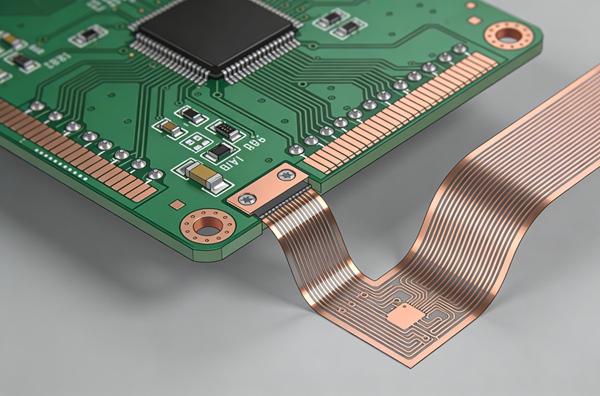
Medical PCBs often require extreme miniaturization and high-density interconnects (HDI).
- The Challenge: Implantable devices or diagnostic tools must maintain signal integrity in tiny footprints.
- The Factory Solution: Our PCB factory utilizes advanced laser drilling and thin-core lamination. We also prioritize ionic cleanliness to prevent dendrite growth over years of operation.
- Pro Tip: To ensure these tiny vias are perfectly aligned, we implement High-Precision X-Ray Inspection at every stage of the build.
2. Automotive Systems: Thermal Endurance
Automotive PCBs must survive extreme temperature swings, constant vibration, and harsh chemical exposure.
- The Challenge: Boards used in engine control units (ECUs) or EV battery management systems (BMS) cannot afford delamination.
- The Factory Solution: We use high-Tg (Glass Transition Temperature) materials and heavy copper plating. As a PCB supplier with direct control over the PCB factory, we perform rigorous thermal stress tests, floating samples in molten solder to simulate the harshest reflow environments.
3. Industrial Control: Long-Term Reliability
Industrial equipment often has a service life of 10–20 years, far exceeding consumer electronics.
- The Challenge: Preventing “latent defects” that only appear after years of field use.
- The Factory Solution: We adhere strictly to IPC Class 3 standards. This includes thicker hole-wall plating and zero-breakout on annular rings.
- Quality Assurance: Understanding the Specific Testing Protocols used in the factory is the only way to guarantee this level of longevity.

How to Source PCBs for High-Reliability Industries
If you are transitioning from consumer electronics to medical or automotive sectors, follow this step-by-step sourcing workflow:
- Define the IPC Class
Determine if your project requires IPC Class 2 (standard) or Class 3 (high reliability). Class 3 requires thicker plating and stricter inspection.
- Verify Material Origin
Ensure your PCB supplier uses brand-name laminates (like Rogers or Shengyi) that have proven thermal aging data.
- Request a Stackup Audit
Before production, have the PCB factory engineers run a TDR (Time Domain Reflectometry) simulation if your board has impedance-controlled traces.
- Confirm Traceability Requirements
For medical or automotive, ensure the factory can provide a full history of the copper, resin, and chemistry used in your specific batch.
- Perform a Specialized Audit
Use a professional checklist to Audit the PCB Supplier’s Factory specifically for their handling of high-spec materials.
Why “One-Size-Fits-All” Factories Fail These Industries
Many brokers or traders will send your high-reliability order to the same line that produces simple toy PCBs. This is a recipe for disaster. A specialized PCB factory manages these orders differently:
- Dedicated Production Lines: Segregating high-spec boards to prevent cross-contamination.
- Full Traceability: Every raw material batch (laminate, copper foil, soldermask) is logged and tied to your specific order. This is a key benefit when you work with a Direct PCB Factory rather than a trader.
- Strict DFM Review: Before a single sheet is cut, our CAM engineers perform a specialized industry-specific audit. If you’re curious about how we handle this initial phase, check out our guide on How a PCB Supplier Manages Workflow.
FAQ: Industry-Specific PCB Sourcing
A: Yes. Beyond ISO 9001, look for a PCB supplier that follows ISO 13485 standards and can provide full material certificates (MTRs) for every component of the board.
A: EV power electronics handle high currents that generate significant heat. Thicker copper allows the PCB factory to create traces that act as integrated heatsinks, preventing the board from overheating.
A: Absolutely. Even in the prototype phase, we recommend testing your design against the same standards it will face in mass production to avoid “re-design shock” later.
Partner with an Industry Specialist
At Han-Sphere, we don’t just manufacture boards; we engineer solutions for the world’s most demanding industries. Whether you are building life-saving medical tech or next-gen automotive systems, our PCB factory is equipped to exceed your expectations.
Do you have a high-reliability project? Contact our Engineering Team for a technical consultation on material selection and stackup design.