When embarking on a new electronics design, one of the most critical decisions you will make during the Quy trình sản xuất PCB is selecting the appropriate surface finish. The surface finish serves two primary functions: it protects the exposed copper circuitry from oxidation and provides a solderable surface when assembling components to the board. Without a reliable finish, the exposed copper would quickly deteriorate, leading to poor solderability and ultimately, premature failure of the board. Choosing the right surface finish is not just a matter of preference; it is a critical engineering decision that impacts the manufacturability, reliability, and cost of the final product.
In this comprehensive guide, we will focus on comparing different PCB surface finish options so you can make an informed decision that ensures the longevity and reliability of your electronic devices. From standard consumer electronics to complex aerospace applications, the right choice varies significantly depending on your specific requirements, budget, and intended operating environment. As electronic components become smaller and circuit designs become more complex, the demands placed on the bare circuit board and its protective coatings have never been higher.
Why is PCB Surface Finish Important?
Before diving into the specifics of each finish, it is essential to understand why this protective layer matters. Copper is highly reactive and oxidizes rapidly when exposed to air. An oxidized copper pad will not form a strong metallurgical bond with solder during Lắp ráp bảng mạch in (PCB). The surface finish prevents this oxidation and preserves solderability over time, ensuring that when the board eventually reaches the assembly line, the solder paste will wet properly and form robust electrical connections.
Furthermore, different finishes provide varying degrees of surface planarity (flatness), which is crucial for mounting fine-pitch components like BGAs (Ball Grid Arrays), QFNs (Quad Flat No-leads), and smaller passive components like 0201 or 01005 packages. A finish that is uneven can cause these miniature components to tilt or fail to solder correctly, leading to shorts, open circuits, or weak joints that might pass initial testing but fail in the field due to thermal cycling or mechanical stress.
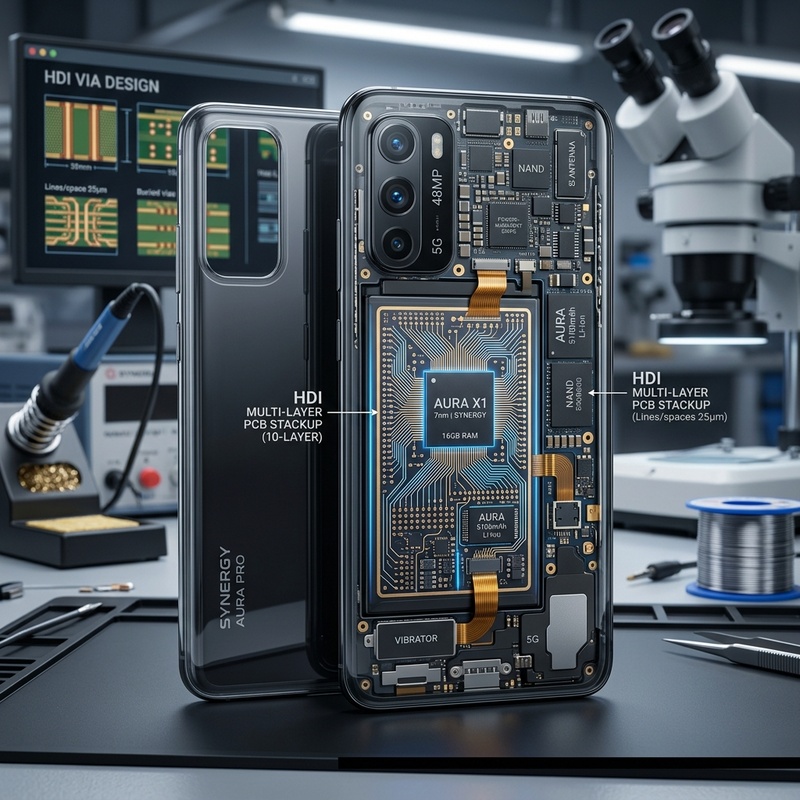
Popular PCB Surface Finishes
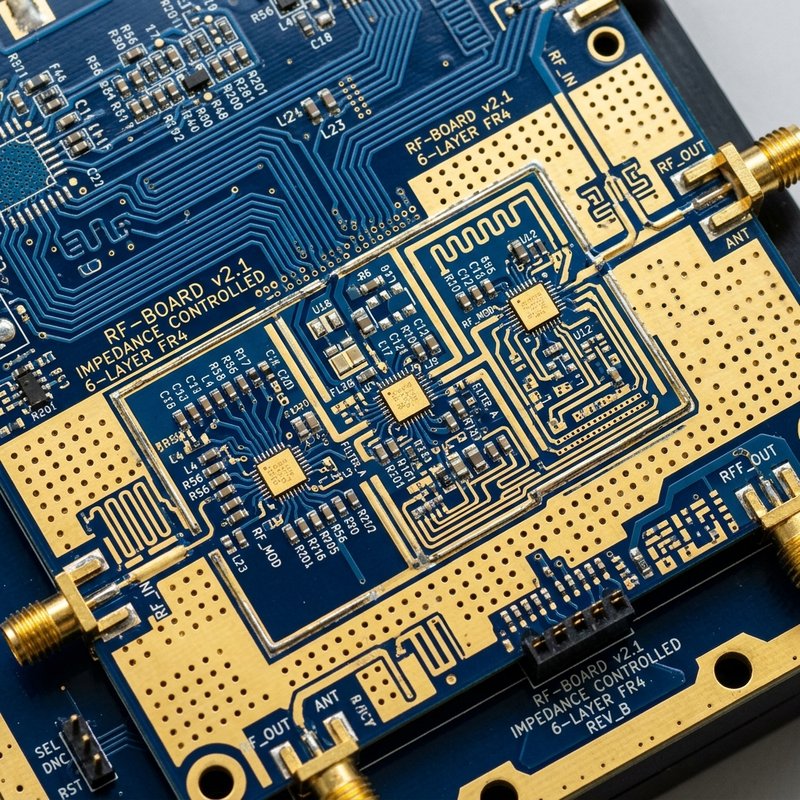
1. HASL (Hot Air Solder Leveling)
HASL is one of the most traditional and widely used surface finishes in the industry. The process involves dipping the entire printed circuit board into a molten bath of solder (historically tin-lead, but now mostly lead-free alloys are used to comply with RoHS regulations). After the dip, high-pressure hot air knives are used to blow off the excess solder, leaving a thin, protective layer of solder over all the exposed copper pads.
- Ưu điểm: HASL is very cost-effective, easily repairable, provides excellent solderability, and boasts a very long shelf life. The fact that the pads are already coated in solder makes the final assembly process highly reliable for larger components.
- Nhược điểm: The major drawback of HASL is that the resulting surface is often uneven or domed. This lack of planarity makes it highly unsuitable for fine-pitch surface mount technology (SMT) components. The process also subjects the bare board to extreme thermal shock, which can cause warpage or damage to delicate vias.
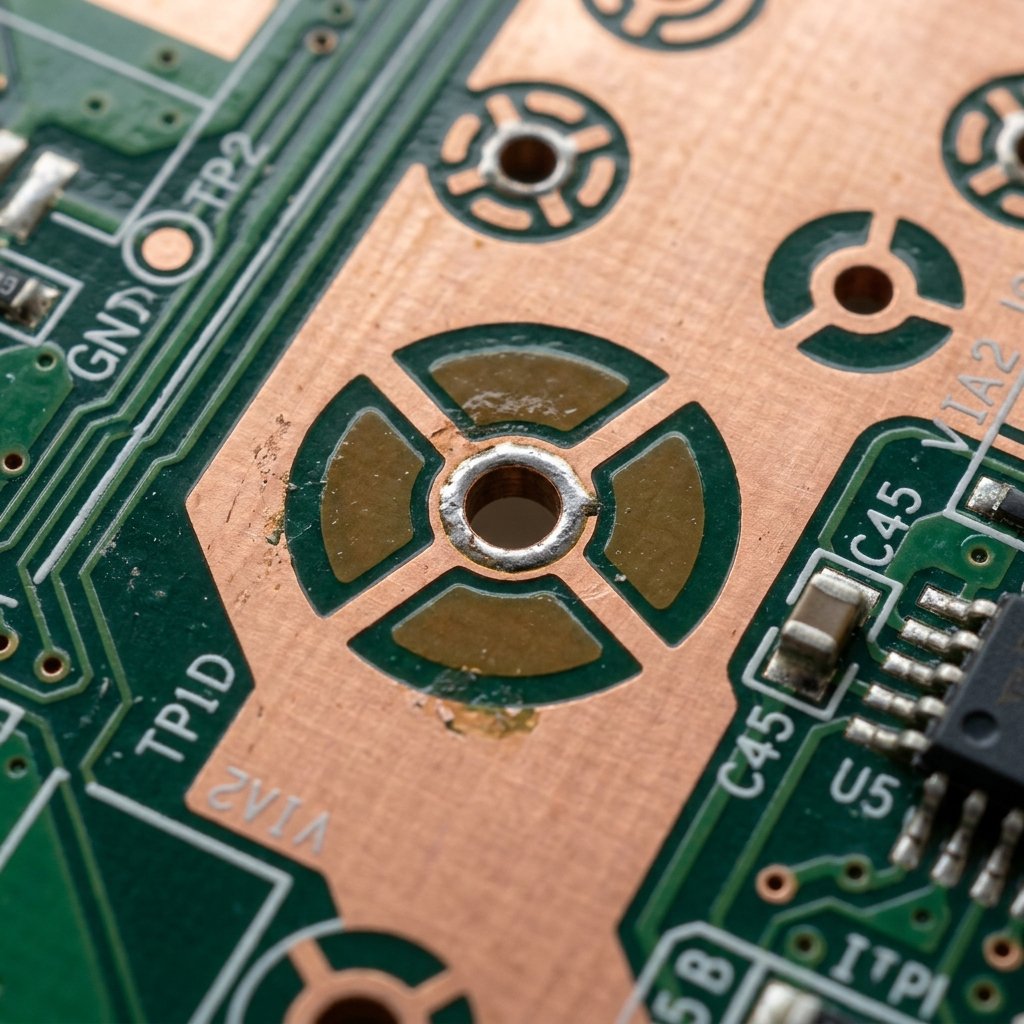
2. ENIG (Electroless Nickel Immersion Gold)
ENIG is a two-layer metallic coating consisting of a robust layer of electroless nickel topped with a very thin layer of immersion gold. The nickel layer serves two purposes: it acts as a barrier preventing copper from diffusing into the gold, and it is the actual surface to which the components are soldered. The gold layer protects the nickel from oxidation during storage and dissolves rapidly into the solder joint during the reflow assembly process.
- Ưu điểm: ENIG provides a perfectly flat and planar surface, making it the ideal choice for fine-pitch components and complex Bảng mạch in HDI (High-Density Interconnect). It has excellent oxidation resistance, a very long shelf life, and provides a surface suitable for aluminum wire bonding.
- Nhược điểm: ENIG is significantly more expensive than HASL or OSP. It also carries a slight risk of a defect known as “black pad” syndrome. This is a complex failure mechanism resulting from a compromised nickel layer that leads to brittle solder joints and eventual failure.
3. OSP (Organic Solderability Preservative)
OSP is a water-based organic compound that selectively bonds to copper and provides an organometallic layer that protects the copper before soldering. Unlike metallic finishes, OSP is applied via a conveyorized chemical immersion process that is environmentally friendly and highly automated.
- Ưu điểm: OSP provides a very flat surface, is highly cost-effective, completely lead-free, and applies virtually no thermal stress to the printed circuit board during processing. It is an excellent choice for high-volume manufacturing.
- Nhược điểm: The organic film is delicate and highly sensitive to handling. Scratches or exposure to acid from fingerprints can degrade the coating. It also has a shorter shelf life compared to metallic finishes and is typically only good for a limited number of reflow cycles. Furthermore, it is challenging to inspect optically since the coating is transparent.
4. Immersion Silver (ImAg)
Immersion Silver is a non-electrolytic chemical finish applied by immersing the copper PCB into a tank containing silver ions. It provides a good compromise between the low cost of OSP and the high performance of ENIG.
- Ưu điểm: It offers an exceptionally flat surface, is highly solderable, cost-effective, and generally performs better than OSP for assemblies requiring multiple thermal reflow cycles.
- Nhược điểm: Immersion Silver tarnishes very easily when exposed to sulfur in the ambient air. This requires very careful packaging, usually utilizing sulfur-free paper, and strict handling protocols. It has a moderate shelf life and must be assembled relatively quickly after the packaging is opened.
5. Immersion Tin (ImSn)
Immersion Tin is a metallic finish deposited by a chemical displacement reaction that applies a thin layer of tin directly onto the base copper of the circuit board.
- Ưu điểm: It provides an excellent flat surface and is highly reliable for press-fit pin applications where components are mechanically inserted into plated through-holes without solder. It is also cost-effective.
- Nhược điểm: The biggest issue with Immersion Tin is the potential for tin “whiskers” to grow over time, which can cause microscopic short circuits between adjacent pads. The process also involves carcinogenic chemicals, making environmental compliance and waste treatment more complex and costly for the manufacturer.
How to Choose the Right Surface Finish
Comparing different pcb surface options requires carefully evaluating several interrelated factors related to your design, assembly process, and final application. Follow these practical steps to select the optimal finish for your project.
Step 1: Evaluate Component Pitch and Density
Begin by analyzing your Bill of Materials (BOM). If your design includes high-density, fine-pitch components like BGAs, CSPs (Chip Scale Packages), or micro-QFNs, you absolutely need a flat surface finish. ENIG or Immersion Silver are highly recommended. HASL should be strictly avoided as its uneven, domed surface can cause severe placement issues, tombstoning, and solder bridging.
Step 2: Consider Shelf Life and Storage Requirements
Evaluate your supply chain and production schedule. If your bare boards will be stored in a warehouse for an extended period before assembly, you need a finish with a long shelf life. HASL and ENIG can typically last 12 months or more without degrading. In contrast, OSP and Immersion Silver have shorter shelf lives and require tightly controlled, climate-managed storage conditions.
Step 3: Analyze the Operating Environment and Design Constraints
Consider the physical environment where the final product will operate. If the device will be exposed to high humidity, corrosive gases, or extreme temperature fluctuations, a robust finish like ENIG is preferable. Furthermore, for specialized mechanical designs like rigid-flex PCB designs, finishes that can withstand mechanical bending without cracking or peeling are crucial. ENIG and OSP generally perform well in these flexible applications.
Step 4: Review Budget and Production Volume
Cost is an inevitable factor in any engineering project. If you are producing simple boards with larger components in high volumes and need to keep costs as low as possible, HASL or OSP are excellent choices. However, for high-reliability applications, medical devices, or aerospace equipment, the extra upfront cost of ENIG is often justified by the significantly reduced risk of field failures and costly recalls.
Các câu hỏi thường gặp
Lớp hoàn thiện bề mặt PCB phổ biến nhất là gì?
Historically, HASL (Hot Air Solder Leveling) was the most common due to its low cost, durability, and excellent solderability for through-hole components. However, as component densities have increased and SMT has become dominant, ENIG (Electroless Nickel Immersion Gold) has largely overtaken it, becoming incredibly popular for high-tech applications requiring perfectly flat surfaces.
Is OSP a reliable surface finish?
Yes, OSP is an excellent, environmentally friendly, and cost-effective surface finish that provides exceptional coplanarity. It is highly reliable for high-volume consumer electronics. However, it does require strict handling protocols (such as wearing gloves) and controlled storage due to its sensitivity to acids and shorter shelf life.
How does the surface finish impact the final solder joint?
The primary role of the surface finish is to protect the underlying copper from oxidation. If the copper oxidizes, solder will not adhere properly during assembly, leading to cold solder joints. Different finishes also interact with the solder paste differently. For example, the gold in ENIG dissolves into the solder, while the nickel forms the intermetallic bond. Understanding these interactions is key to ensuring the strength and reliability of the final solder joint.
Kết luận
Ultimately, comparing different PCB surface finishes involves carefully weighing cost constraints against technical performance requirements. While traditional finishes like HASL remain viable for simpler, low-budget projects, advanced finishes like ENIG and Immersion Silver offer the critical coplanarity required by modern, high-density electronics. By systematically evaluating your component specifications, shelf life needs, operating environment, and budget, you can select the perfect finish to guarantee the manufacturability and long-term success of your next PCB project.