Solder mask is a critical protective layer for printed circuit boards. It prevents solder bridges, protects against oxidation, and enhances the visual appearance. But how to choose the right PCB solder mask color and material? In this comprehensive guide, we’ll explore the various materials and colors available and provide actionable steps to make the best choice for your specific application.
Understanding Solder Mask Materials
The primary purpose of a solder mask, also known as a solder resist, is to protect the copper traces from environmental damage and prevent unwanted electrical connections during the soldering process. When considering Sản xuất bảng mạch in (PCB), selecting the correct material is vital. The most common materials include:
- Epoxy Liquid (Thermosetting): A cost-effective option applied via screen printing. It is cured thermally and offers good protection but lacks the high resolution needed for modern, complex boards.
- Liquid Photoimageable Solder Mask (LPI or LPSM): The industry standard for high-density interconnect (HDI) boards. LPI is applied as a liquid and then exposed to UV light through a photographic film, allowing for precise pad openings. It provides excellent registration and reliability.
- Dry Film Photoimageable Solder Mask (DFSM): Applied as a dry film using vacuum lamination to prevent air bubbles. It is ideal for uniform thickness across the board but is less common for highly complex layouts with varied topography.
For most modern electronics, LPI is the preferred choice due to its high resolution and reliability. Choosing the right material depends heavily on your board’s density and the operating environment.
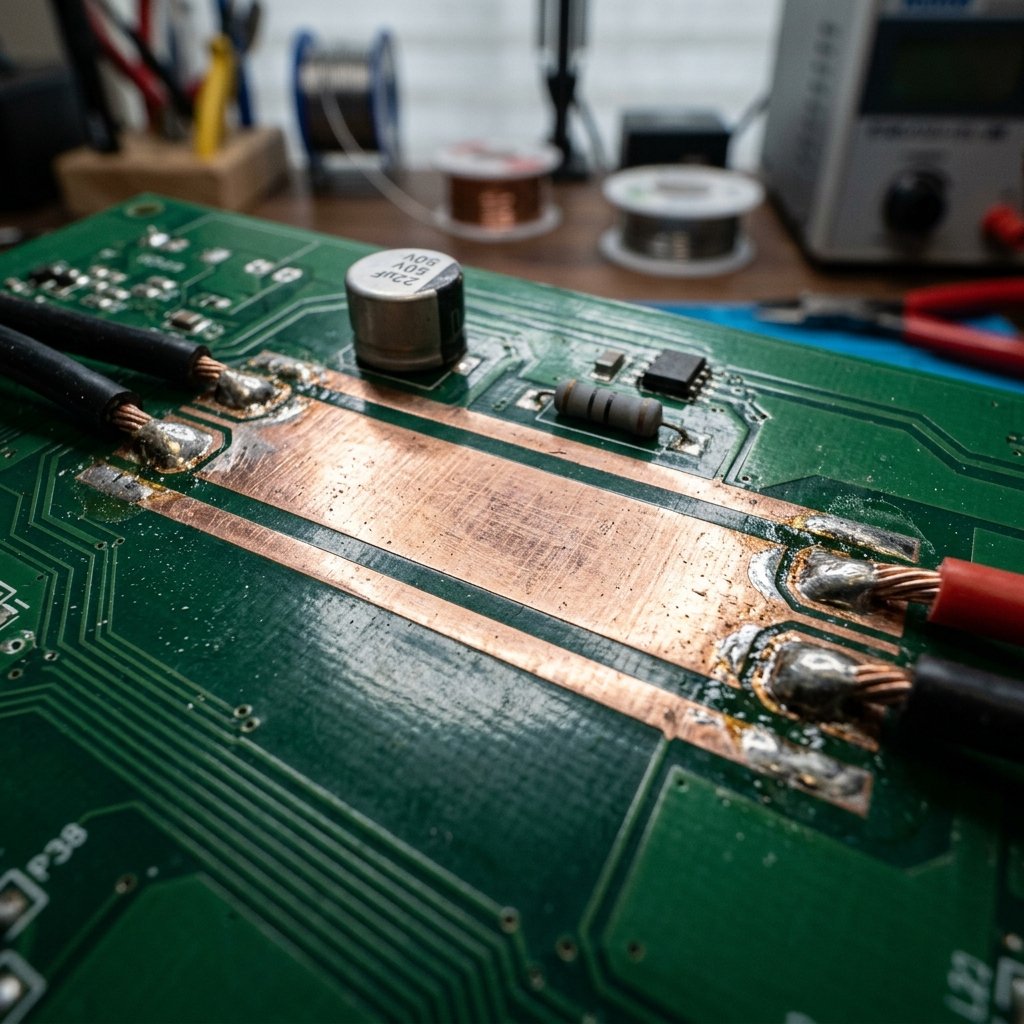
Step-by-Step Guide: How to Choose the Right Solder Mask
Follow these systematic steps to determine the optimal solder mask material and color for your printed circuit board.
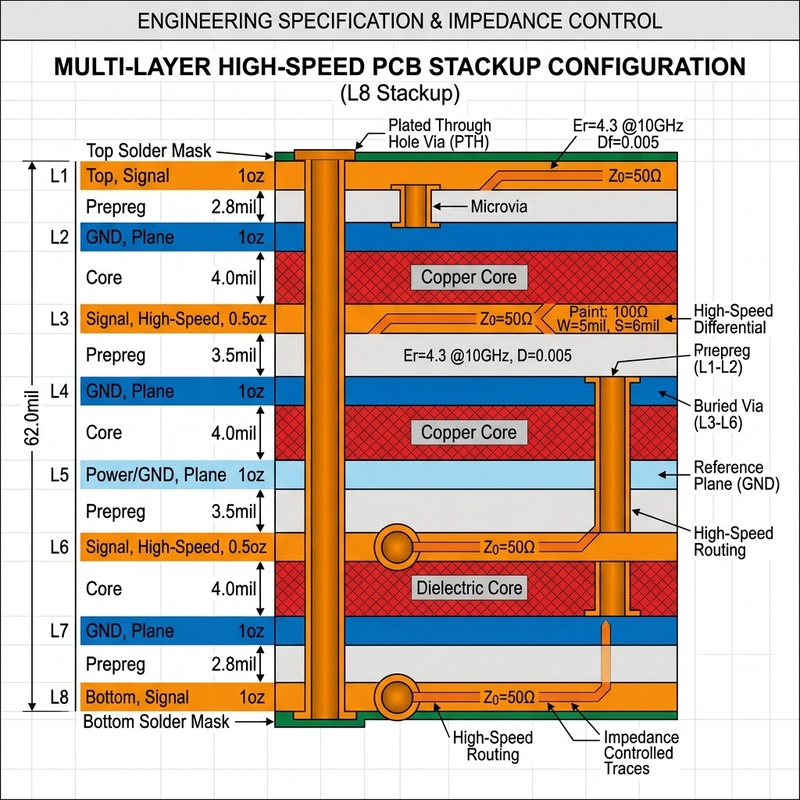
Step 1: Evaluate Your Application Requirements
Determine the operating environment of your PCB. Does it need to withstand extreme temperatures, harsh chemicals, or high humidity? If so, you may require a specialized high-temperature solder mask. Always review the datasheet of the solder mask types available to match their thermal and chemical resistance to your product’s intended lifecycle and use case. Aerospace and medical devices, for instance, often demand much stricter material compliances than consumer electronics.

Step 2: Determine Board Density and Trace Spacing
If your design features fine-pitch components (like BGA or QFN packages) and tight trace spacing, Liquid Photoimageable (LPI) solder mask is practically mandatory. Older methods like epoxy liquid cannot provide the precise resolution needed to prevent solder bridges between tightly packed pads. The tighter the tolerances, the more critical your material choice becomes to ensure high manufacturing yield.
Step 3: Select the Appropriate Color for Inspection and Aesthetics
Color isn’t just about looks; it significantly affects the manufacturing and debugging process. Green is the industry standard because it offers the highest visual contrast against white silkscreen and silver or gold pads, making visual and automated optical inspection (AOI) highly efficient. However, other colors have specific use cases that might benefit your project:
- Red and Blue: These offer good contrast and are often used by engineering teams to distinguish prototype iterations from final production runs.
- Black: This provides a sleek, premium aesthetic favored by consumer electronics (like Apple products), but its low contrast makes manual inspection difficult. It also absorbs more heat during the reflow soldering process.
- White: Commonly used in LED lighting applications because it reflects light well, boosting overall luminosity. However, it can be hard to clean and inspect.
If you are producing an open-frame device where the board is visible to the end-user, aesthetics might outweigh inspection ease. Otherwise, stick to green for maximum reliability, faster inspection, and generally lower costs.
Step 4: Consider the Surface Finish Compatibility
Ensure the solder mask you choose is fully compatible with your selected bề mặt hoàn thiện (e.g., HASL, ENIG, OSP, or Immersion Silver). Most standard LPI masks are universally compatible, but the aggressive chemical processes used in certain finishes can degrade lower-quality solder masks over time. Always consult with your fabrication house to verify that your chosen combination will perform reliably over the long term.
Kết luận
Knowing exactly how to choose the right PCB solder mask color and material is an essential skill for any hardware engineer or electronics designer aiming to build robust hardware. By carefully evaluating your application’s environmental constraints, trace density, inspection requirements, and surface finish compatibility, you can ensure a reliable and manufacturable design. If you need further assistance navigating these choices or have specific design constraints, don’t hesitate to get a quote from a reputable manufacturer who can provide expert guidance tailored to your project.
Các câu hỏi thường gặp
Why is green the most common solder mask color?
Green is the most common color because it offers the best contrast for human eyes during manual inspection and for cameras during Automated Optical Inspection (AOI). The high contrast between the dark green mask, bright white silkscreen, and shiny metallic pads makes identifying manufacturing faults much easier. Additionally, the green chemical formulation has been optimized over decades, making it the most reliable, highest-resolution, and most cost-effective option available.
Does solder mask color affect PCB performance?
In most standard applications, the color itself does not significantly affect electrical performance. However, some colors like black and white can have different thermal absorption properties. Black solder masks may absorb more heat during the reflow process, which requires careful thermal profiling to avoid damaging sensitive components. Additionally, some non-green pigments can slightly reduce the resolution capabilities of the mask, potentially impacting high-density designs.
Can I use multiple solder mask colors on the same PCB?
While it is technically possible to apply multiple solder mask colors to a single printed circuit board, it is rarely done in practice because it significantly increases manufacturing complexity, lead time, and overall cost. Each unique color requires a completely separate masking, exposure, and curing step. If you need to distinctively separate areas on the board, it is much more common and economical to use silkscreen lines or text to delineate those sections.