تحتوي كل لوحة دوائر مطبوعة متعددة الطبقات على مادة «بريبريغ»، على الرغم من أنها نادراً ما تكون مرئية بعد تصنيع اللوحة.
أثناء عملية التصفيح، تعمل مادة «البريبريغ» على ربط عدة نوى مغلفة بالنحاس معًا لتشكيل هيكل صلب واحد، مع توفير عزل كهربائي بين الطبقات الموصلة.
يؤثر كل من محتوى الراتنج وسماكة الطبقة وخصائص التدفق على جودة لوحات الدوائر المطبوعة (PCB) واستقرار أبعادها والتحكم في المعاوقة وموثوقيتها على المدى الطويل.
إن فهم مادة البريبريغ يساعد المهندسين على تطوير تركيبات أكثر موثوقية والتواصل بشكل أكثر فعالية مع مصنعي لوحات الدوائر المطبوعة.
ما هو مادة «بي سي بي» المُعدة مسبقًا؟
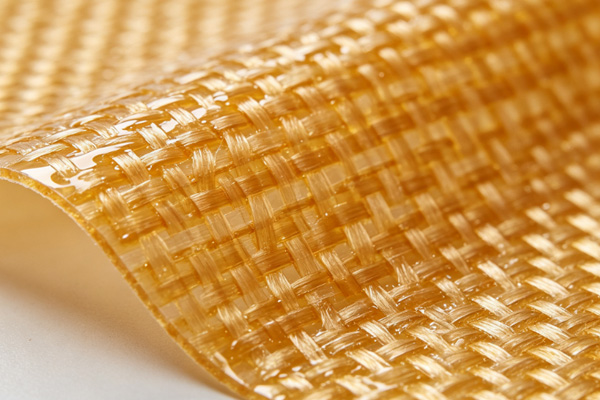
"Prepreg" هي اختصار لـ مادة مشبعة مسبقًا.
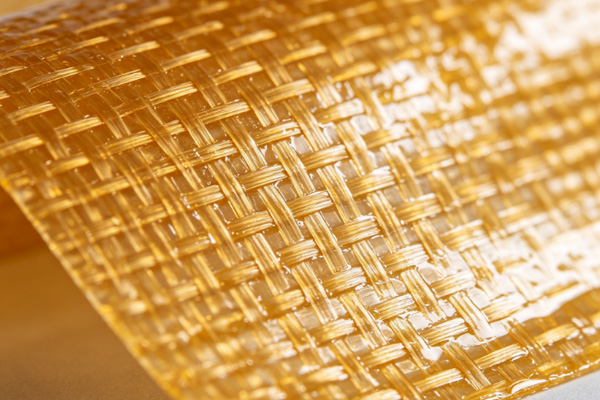
وهي تتكون من قماش من الألياف الزجاجية المنسوجة، تم تشريبها براتنج الإيبوكسي الذي لم يكتمل تصلبه إلا جزئيًا.
ونظرًا لأن الراتينج لم يتصلب تمامًا، فإن مادة «البريبريغ» تظل مرنة قبل عملية التصفيح.
عندما يتم تطبيق الحرارة والضغط أثناء تصنيع لوحات الدوائر المطبوعة (PCB)، يلين الراتينج، ويتدفق إلى الفجوات المجهرية، ثم يتصلب في النهاية ليشكل طبقة عازلة صلبة.
قراءة ذات صلة:
من ماذا يتكون البريبريغ؟
على الرغم من أن مادة «البريبريغ» تبدو وكأنها مجرد لوح بسيط من الألياف الزجاجية، إلا أنها مصممة هندسيًّا بعناية.
وهي تحتوي عمومًا على:
- قماش من الألياف الزجاجية المنسوجة
- راتنج إيبوكسي مُعالج جزئيًا
- محتوى الراتنج الخاضع للرقابة
- المواد المضافة المثبطة للهب (لأنظمة FR4)
تُستخدم تركيبات مختلفة وفقًا لسمك اللوحة المطلوب والأداء الكهربائي.
ما هي وظيفة مادة «البريبريغ»؟
يؤدي «البريبريغ» عدة وظائف خلال عملية تصنيع لوحات الدوائر المطبوعة متعددة الطبقات.
طبقات الربط
وتتمثل مهمتها الأساسية في ربط نوى لوحات الدوائر المطبوعة المتجاورة ببعضها البعض أثناء عملية التصفيح.
بدون مادة «البريبريغ»، لن تتحول الطبقات الفردية إلى لوحة دوائر كهربائية واحدة.
العزل الكهربائي
بعد المعالجة، يصبح «البريبريغ» المادة العازلة التي تفصل بين طبقات النحاس الموصلة.
تؤثر خصائصه العازلة على المعاوقة وسلامة الإشارة.
سد الثغرات
أثناء عملية التصفيح، يتدفق الراتنج حول الأنماط النحاسية المحفورة ويملأ الفراغات الصغيرة.
يساعد التدفق السليم للراتنج على تحسين التصاق الطبقات وتقليل عيوب التصنيع.
التحكم في سماكة اللوح
يساهم عدد صفائح البريبريغ وسماكتها في تحديد سماكة لوحة الدوائر المطبوعة النهائية.
يختار المصنعون تركيبات مختلفة من المواد المُسبقة التشريب لتلبية متطلبات العملاء.
محتوى الراتنج مهم
لا تحتوي كل لوح من الألواح المُسبقة التشريب على نفس الكمية من الراتنج.
بشكل عام:
- يؤدي ارتفاع نسبة الراتنج إلى تحسين التعبئة حول النحاس الثقيل.
- يساعد انخفاض محتوى الراتينج في الحفاظ على تباعد عازل كهربائي أكثر إحكامًا.
يعتمد اختيار محتوى الراتنج المناسب على تركيب لوحات الدوائر المطبوعة (PCB) وعملية التصنيع.
الأنماط الشائعة لمواد FR4 المُعدة مسبقًا
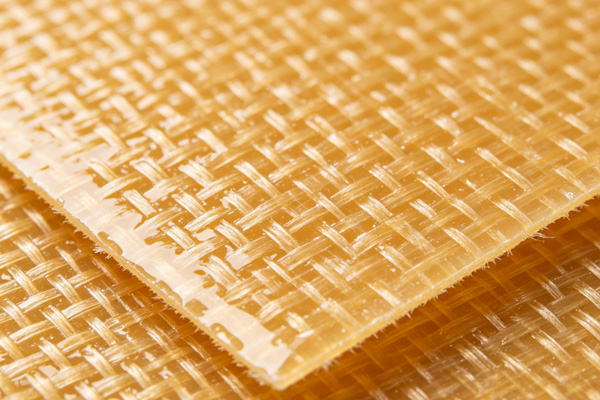
يتوفر مادة FR4 المُسبقة التشريب بأنماط نسج مختلفة من الألياف الزجاجية.
وتشمل الأمثلة على ذلك:
- 106
- 1080
- 2113
- 2116
- 7628
يختلف كل نمط في:
- السُمك
- محتوى الراتنج
- القوة الميكانيكية
- المسافة العازلة
تختار شركات تصنيع لوحات الدوائر المطبوعة (PCB) هذه الأنماط وفقًا لتصميم التراص والمقاومة المطلوبين.
كيف يؤثر مادة «البريبريغ» على أداء لوحات الدوائر المطبوعة (PCB)
التحكم في المعاوقة
تؤثر سماكة العازل الكهربائي الناتجة عن مادة البريبريغ تأثيرًا مباشرًا على المعاوقة المتحكم فيها.
يساعد السماكة الثابتة للمادة المُسبقة التشريب على الحفاظ على سلوك إشارة يمكن التنبؤ به.
قراءة ذات صلة:
الموثوقية الميكانيكية
يقلل الترابط الجيد بين الطبقات من خطر انفصال الطبقات أثناء الدورات الحرارية وعملية التجميع.
جودة التصنيع
يؤدي الاختيار الصحيح للمواد المُسبقة التشكيل إلى تحسين:
- توزيع الراتنج
- تسجيل الطبقات
- جودة التصفيح
- أداء الحفر
الموثوقية على المدى الطويل
تساهم مواد البريبريغ التي يتم التحكم فيها جيدًا في توفير عزل كهربائي مستقر وإطالة عمر المنتج.
اختيار مادة البريبريغ المناسبة
هناك عدة عوامل تؤثر على اختيار المواد المُسبقة التشريب.
وتشمل هذه:
- عدد طبقات لوحات الدوائر المطبوعة (PCB)
- سماكة اللوح النهائي
- وزن النحاس
- متطلبات المعاوقة المُتحكَّم فيها
- الأداء الحراري
- القدرات التصنيعية
عادةً ما يتم الانتهاء من اختيار المواد بالتزامن مع تحديد تركيب طبقات لوحات الدوائر المطبوعة (PCB) قبل بدء الإنتاج.
التطبيقات الشائعة
يُستخدم «البريبريغ» في معظم لوحات الدوائر المطبوعة متعددة الطبقات، بما في ذلك:
- الإلكترونيات الاستهلاكية
- أنظمة التحكم الصناعي
- إلكترونيات السيارات
- الأجهزة الطبية
- معدات الاتصالات
- أجهزة الشبكات
- الخوادم
- إلكترونيات الفضاء الجوي
تتطلب أي لوحة دوائر مطبوعة (PCB) ذات أكثر من طبقتين عمومًا استخدام مادة «بريبريغ» أثناء عملية التصفيح.
كيفية اختيار مادة البريبريغ الخاصة بلوحات الدوائر المطبوعة (PCB)
- الخطوة 1
تحديد عدد طبقات لوحة الدوائر المطبوعة (PCB) المطلوب وسماكتها النهائية.
- الخطوة 2
راجع متطلبات المعاوقة والمسافات العازلة.
- الخطوة 3
اختر أنواع المواد المُعدة مسبقًا التي تحتوي على نسبة مناسبة من الراتنج وسمك مناسب.
- الخطوة 4
تأكد من الترتيب النهائي للطبقات مع الشركة المصنعة للوحة الدوائر المطبوعة قبل البدء في التصنيع.
الخاتمة
على الرغم من أن مادة البريبريغ تكون مخفية داخل لوحة الدوائر المطبوعة النهائية، إلا أنها تلعب دورًا حاسمًا في تصنيع اللوحات متعددة الطبقات.
من خلال ربط الطبقات ببعضها البعض، وتوفير العزل الكهربائي، والمساعدة في التحكم في التباعد العازل الكهربائي، تؤثر المواد المُعدة مسبقًا بشكل مباشر على جودة التصنيع والموثوقية على المدى الطويل.
إن فهم كيفية اختيار المواد المُسبقة التشريب يتيح للمهندسين تطوير تراكيب أفضل للوحات الدوائر المطبوعة (PCB) وتحقيق نتائج إنتاج أكثر اتساقًا.
الأسئلة الشائعة
ج: مادة «بي سي بي» المُسبقة التشريب هي قماش من الألياف الزجاجية مشبع براتنج مُعالج جزئيًا، يعمل على ربط طبقات «بي سي بي» ببعضها البعض أثناء عملية التصفيح.
ج: لا. يتكون «البريبريغ» من الألياف الزجاجية والراتنج فقط. وتُضاف رقائق النحاس بشكل منفصل كجزء من عملية التصنيع بالرقائق.
ج: يعمل مادة «البريبريغ» على ربط طبقات لوحات الدوائر المطبوعة (PCB)، ويوفر عزلًا كهربائيًا، ويساعد في تحقيق السماكة المطلوبة للوحة واستقرارها الميكانيكي.
ج: نعم. غالبًا ما يجمع المصنعون بين أنواع مختلفة من المواد المُسبقة التشريب ومحتويات الراتنج المختلفة لتلبية متطلبات التراص والمقاومة الكهربائية والسماكة.
ج: عادةً ما يُستخدم «البريبريغ» في لوحات الدوائر المطبوعة متعددة الطبقات. وقد لا تتطلب اللوحات أحادية الجانب والعديد من اللوحات ثنائية الجانب استخدام «البريبريغ» لأنها لا تخضع لعملية التصفيح متعدد الطبقات.