Every multilayer PCB contains prepreg, even though it is rarely visible after the board is manufactured.
During lamination, prepreg bonds multiple copper-clad cores into a single rigid structure while providing electrical insulation between conductive layers.
Its resin content, thickness, and flow characteristics all influence PCB quality, dimensional stability, impedance control, and long-term reliability.
Understanding prepreg helps engineers develop more reliable stackups and communicate more effectively with PCB manufacturers.
What Is PCB Prepreg?
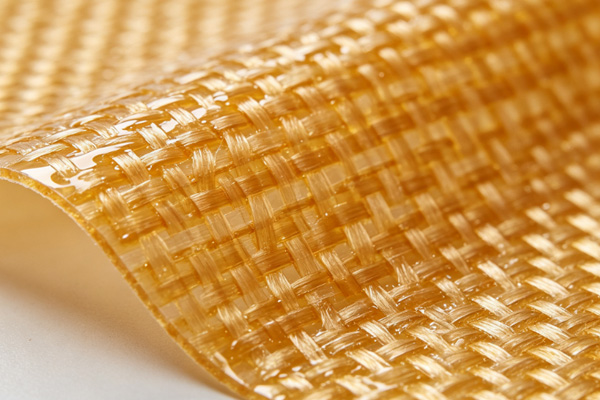
Prepreg is short for pre-impregnated material.
It consists of woven fiberglass cloth that has been impregnated with epoxy resin that is only partially cured.
Because the resin has not fully hardened, prepreg remains flexible before lamination.
When heat and pressure are applied during PCB manufacturing, the resin softens, flows into microscopic gaps, and finally cures into a rigid insulating layer.
Related reading:
What Is Prepreg Made Of?
Although prepreg looks like a simple sheet of fiberglass, it is carefully engineered.
It generally contains:
- Woven fiberglass cloth
- Partially cured epoxy resin
- Controlled resin content
- Flame-retardant additives (for FR4 systems)
Different combinations are used depending on the required board thickness and electrical performance.
What Does Prepreg Do?
Prepreg performs several functions during multilayer PCB manufacturing.
Bonding Layers
Its primary job is bonding adjacent PCB cores together during lamination.
Without prepreg, individual layers would not become a single circuit board.
Electrical Insulation
After curing, prepreg becomes the dielectric material separating conductive copper layers.
Its dielectric properties influence impedance and signal integrity.
Filling Gaps
During lamination, resin flows around etched copper patterns and fills small voids.
Proper resin flow helps improve layer adhesion and reduce manufacturing defects.
Controlling Board Thickness
The number and thickness of prepreg sheets contribute to the finished PCB thickness.
Manufacturers choose different prepreg combinations to meet customer specifications.
Resin Content Matters
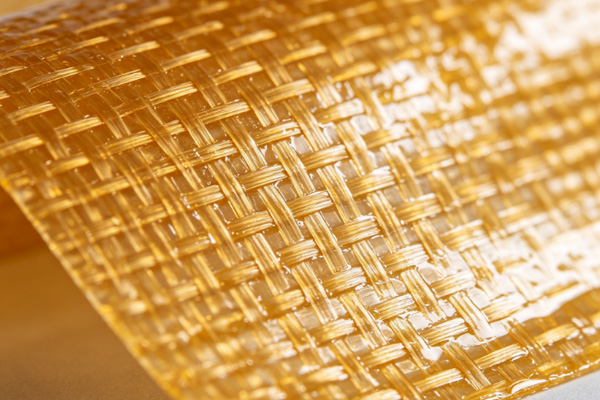
Not every prepreg sheet contains the same amount of resin.
Generally:
- Higher resin content improves filling around heavy copper.
- Lower resin content helps maintain tighter dielectric spacing.
Selecting the correct resin content depends on the PCB stackup and manufacturing process.
Common FR4 Prepreg Styles
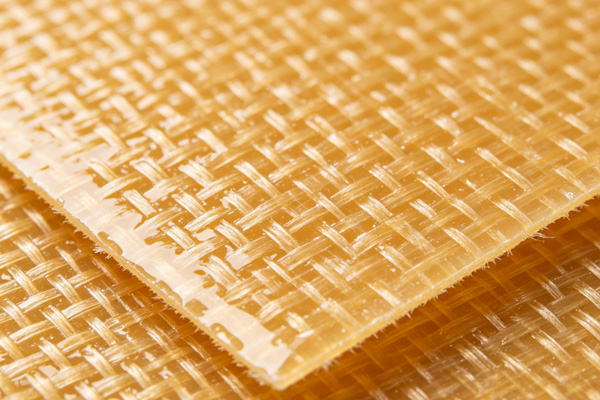
FR4 prepreg is available in different fiberglass weave styles.
Examples include:
- 106
- 1080
- 2113
- 2116
- 7628
Each style differs in:
- Thickness
- Resin content
- Mechanical strength
- Dielectric spacing
PCB manufacturers select these styles according to the required stackup and impedance design.
How Prepreg Affects PCB Performance
Impedance Control
The dielectric thickness created by prepreg directly affects controlled impedance.
Consistent prepreg thickness helps maintain predictable signal behavior.
Related reading:
Mechanical Reliability
Good bonding between layers reduces the risk of delamination during thermal cycling and assembly.
Manufacturing Quality
Correct prepreg selection improves:
- Resin distribution
- Layer registration
- Lamination quality
- Drilling performance
Long-Term Reliability
Well-controlled prepreg materials contribute to stable electrical insulation and improved product lifetime.
Choosing the Right Prepreg
Several factors influence prepreg selection.
These include:
- PCB layer count
- Finished board thickness
- Copper weight
- Controlled impedance requirements
- Thermal performance
- Manufacturing capability
Material selection is usually finalized together with the PCB stackup before production begins.
Common Applications
Prepreg is used in almost every multilayer PCB, including:
- Consumer electronics
- Industrial control systems
- Automotive electronics
- Medical devices
- Communication equipment
- Networking hardware
- Servers
- Aerospace electronics
Any PCB with more than two layers generally requires prepreg during lamination.
How to Select PCB Prepreg
- Step 1
Determine the required PCB layer count and finished thickness.
- Step 2
Review impedance requirements and dielectric spacing.
- Step 3
Select prepreg styles with suitable resin content and thickness.
- Step 4
Verify the final stackup with your PCB manufacturer before fabrication.
Conclusion
Although prepreg is hidden inside a finished PCB, it plays a critical role in multilayer construction.
By bonding layers together, providing electrical insulation, and helping control dielectric spacing, prepreg directly affects manufacturing quality and long-term reliability.
Understanding prepreg selection enables engineers to develop better PCB stackups and achieve more consistent production results.
Frequently Asked Questions
A: PCB prepreg is fiberglass cloth impregnated with partially cured resin that bonds PCB layers together during lamination.
A: No. Prepreg contains fiberglass and resin only. Copper foil is added separately as part of the laminate construction.
A: Prepreg bonds PCB layers, provides dielectric insulation, and helps achieve the required board thickness and mechanical stability.
A: Yes. Manufacturers often combine different prepreg styles and resin contents to meet stackup, impedance, and thickness requirements.
A: Prepreg is typically used in multilayer PCBs. Single-sided and many double-sided boards may not require prepreg because they do not undergo multilayer lamination.