ثنائي الفينيل متعدد الكلور الصلب
(متعدد الطبقات)
من النماذج الأولية المكونة من طبقتين إلى لوحات الخوادم عالية السرعة المكونة من 32 طبقة - أساس كل نظام إلكتروني، مصممة وفقًا للمواصفات التي يتطلبها تصميمك بالفعل.
تقنية اللوحة العمود الفقري - مصممة بشكل صحيح لتطبيقك
ثنائي الفينيل متعدد الكلور الصلب متعدد الطبقات عبارة عن كومة من الشرائح المكسوة بالنحاس (النوى) وطبقات ما قبل التركيب اللاصقة، مضغوطة معًا تحت الحرارة والضغط لتشكيل لوحة صلبة واحدة. تربط الطبقات عبر الفتحات والفتحات العمياء الطبقات حسب ما يتطلبه تصميم الدائرة.
كلمة 'قياسي' مضللة. فاختيار المواد وتصميم التكديس والتحكم في عملية التصنيع تختلف بشكل كبير بين الموردين - وتحدد هذه المتغيرات بشكل مباشر أداء الإشارة والموثوقية الحرارية وعمر الخدمة.
بدءًا من FR4 القياسي للإلكترونيات المكتبية إلى البوليميد عالي Tg للوحات السيارات ذات حجرة المحركات، وشرائح روجرز لتصميمات الترددات اللاسلكية - تبدأ المواصفات الصحيحة بمراجعة سوق دبي المالي التي تتحقق من التراكم، وليس فقط من مركز التحكم في الترددات الراديوية.
احصل على عرض أسعار ثنائي الفينيل متعدد الكلور الصلب →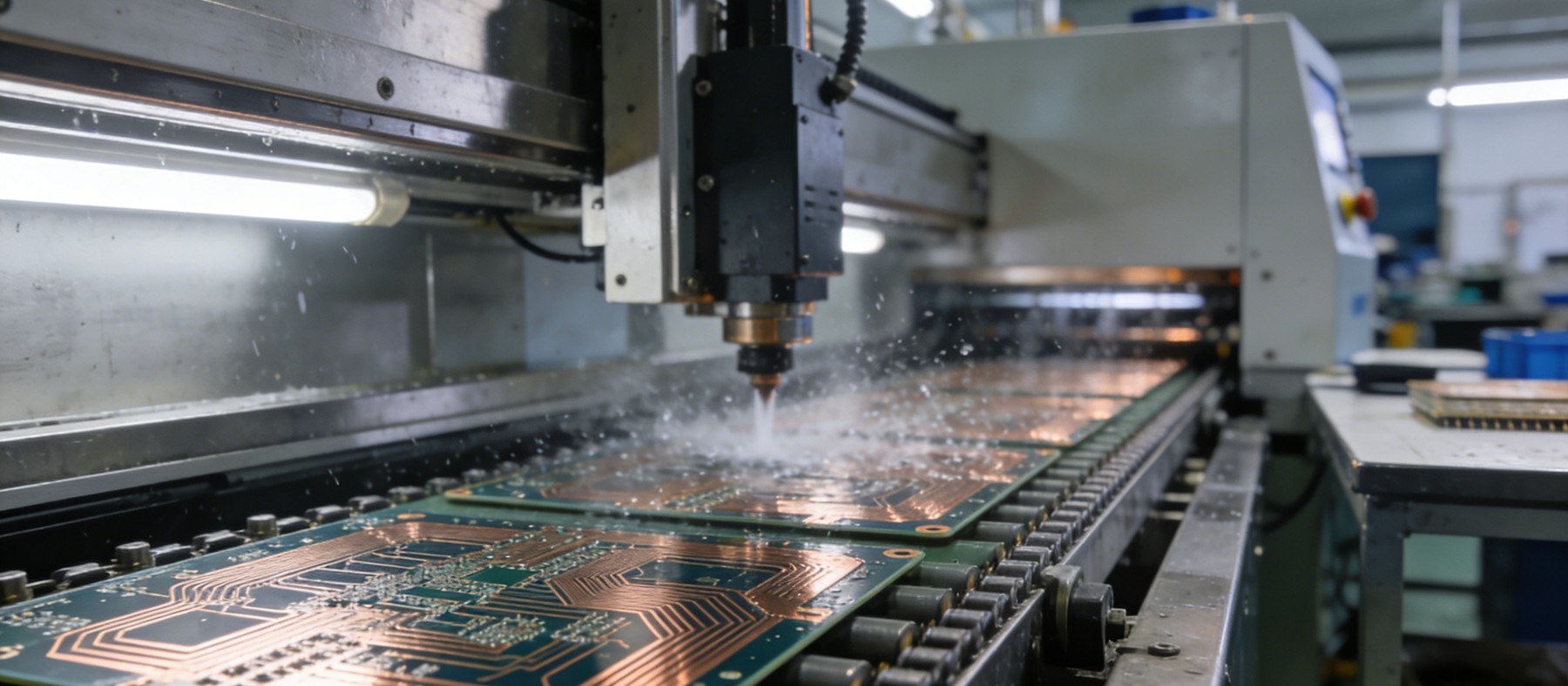
ثلاثة قرارات مواصفات تحدد أداء ثنائي الفينيل متعدد الكلور الصلب
سيختلف أداء مخططين متطابقين مبنيين على مكدسات مختلفة. هذه هي المتغيرات الأكثر أهمية.
يتحكم التصميم المتراكم في المعاوقة - وتتحكم المعاوقة في جودة الإشارة
كل أثر عالي السرعة على ثنائي الفينيل متعدد الكلور هو خط نقل. يتم تعيين معاوقته المميزة من خلال عرض التتبع وسُمك العازل الكهربائي والصفائح Dk - وهي متغيرات يتم اختيارها في خطوة تصميم التكديس قبل بدء التصنيع. سيؤدي التكديس الذي لم تتم مراجعته مقابل أهداف سرعة الإشارة الخاصة بك إلى إنتاج لوحة لا تؤدي إلى المحاكاة، في كل مرة.
المعاوقة الخاضعة للتحكم - Dk مقابل التردد - التحقق من TDR - ± 5% التسامحاختيار المواد المناسبة لدرجة الحرارة والرطوبة والبيئة الكيميائية
تتعامل FR4 القياسية مع درجات الحرارة المكتبية والرطوبة المعتدلة بشكل مناسب. تحتاج ألواح حجرة محرك السيارات عند درجة حرارة 125 درجة مئوية مستمرة إلى رقائق FR4 عالية الامتصاص للماء (Tg 170-220 درجة مئوية) أو البوليميد. تحتاج الألواح الصناعية الخارجية المعرضة للتكثيف إلى شرائح منخفضة الامتصاص للماء. إن تحديد المادة الأساسية الخاطئة هو السبب الجذري الأكثر شيوعًا لفشل ثنائي الفينيل متعدد الكلور المبكر في هذا المجال.
FR4 عالي Tg - بوليميد متعدد الألياف - خيارات منخفضة الامتصاص للماء - خيارات خالية من الهالوجينسمك برميل النحاس عبر النحاس يحدد الموثوقية على المدى الطويل
اللوحة التي تجتاز الاختبار الكهربائي في اليوم الأول يمكن أن تفشل بعد 500 دورة حرارية إذا كانت سماكة أسطوانة النحاس هامشية. ويحدد IPC-6012 الحد الأدنى لسُمك النحاس في البراميل العابرة (18 ميكرومتر كحد أدنى في المتوسط). ولا يمكن تأكيد تحقيق ذلك إلا من خلال تحليل المقاطع المجهرية. نحن نقوم بتضمين تحليل المقاطع المجهرية في كل دفعة إنتاج - ليس كرسوم إضافية، ولكن كمتطلب جودة أساسي.
IPC-6012 عبر الماسورة - 18 ميكرومتر دقيقة من النحاس - مراقبة الجودة الدقيقة - عمر الدورة الحراريةمواصفات تصنيع ثنائي الفينيل متعدد الكلور الصلب الكامل
تم التحقق من جميع معلمات العملية من خلال نظام إدارة الجودة ISO 9001 الخاص بنا. يتم توفير تقرير معاوقة TDR مع كل طلب معاوقة مضبوطة.
معلمات التصنيع
| عدد الطبقات | 2 - 32 طبقة |
| دقيقة. التتبع/المساحة | 2.5 / 2.5 مللي |
| الحد الأدنى. حجم الفتحة | 0.20 مم ميكانيكي - 0.10 مم ليزر |
| وزن النحاس | 0.5 أونصة - 20 أونصة |
| سُمك اللوح | 0.4 مم - 6.4 مم |
الأداء والمعايير
| المعاوقة المتحكم فيها | ±5% TDR تم التحقق من TDR |
| خيارات التصفيح | FR4 - عالي Tg - بوليميد - روجرز - خالي من الهالوجين |
| تشطيب السطح | HASL - ENIG - ENEPIG - OSP - الغمر Ag |
| معيار البناء IPC | الفئة 2 افتراضي - الفئة 3 عند الطلب |
| تحول النموذج الأولي | 48 ساعة سريعة 48 ساعة - 5 أيام قياسية |
كيف يتم تصنيع ثنائي الفينيل متعدد الكلور متعدد الطبقات
خطوات عملية أكثر من معظم التصنيع الإلكتروني - كل واحدة منها تؤثر على موثوقية اللوحة النهائية.
تصوير الطبقة الداخلية والحفر
يتم تصوير الصفيحة المكسوة بالنحاس بالتصوير الليثوغرافي الضوئي وحفرها إلى نمط الدائرة الداخلية النهائي للطبقة الداخلية. تجهز المعالجة بالأكسيد الأسطح للتصفيح.
مطبعة ستاك أب
يتم محاذاة اللب الداخلي والرقائق النحاسية والرقائق النحاسية المسبقة الصنع بدقة وضغطها على درجة حرارة 175-220 درجة مئوية تحت 350 رطل لكل بوصة مربعة. يملأ تدفق الراتنج جميع الفراغات ويربط الطبقات بشكل دائم.
الحفر والنزع
يتم حفر الثقوب العابرة باستخدام الحاسب الآلي باستخدام لقم كربيد. يزيل التشويه بالبلازما راتنجات الإيبوكسي من الجدران عبر الفتحات لضمان التصاق النحاس بالطبقات الداخلية.
الطلاء والتصوير والتشطيب
عديم الإلكتروليت ثم ألواح النحاس الإلكتروليتي عبر الجدران وفقًا لمواصفات IPC-6012. تُستكمل العملية بتصوير الطبقة الخارجية وتشطيب ENIG/OSP والاختبار الكهربائي.
عندما يكون ثنائي الفينيل متعدد الكلور الصلب متعدد الطبقات هو الخيار الصحيح
إن الطبقات المتعددة الصلبة القياسية الصلبة هي أساس كل منتج إلكتروني تقريبًا - المواصفات هي التي تختلف.
وحدات التحكم الصناعية وأجهزة التحكم المنطقية القابلة للبرمجة (PLCs)
متعدد الطبقات عالي Tg لوحدات التحكم المنطقي القابلة للبرمجة ووحدات التحكم في الحركة وأجهزة الكمبيوتر الصناعية في البيئات ذات درجات الحرارة المرتفعة.
الخادم والشبكات
لوحات ذات عدد طبقات عالية لوحدات المعالجة المركزية للخوادم، ومبدلات ASIC، وبطاقات خطية مع DDR5 و PCIe 5.0 و 400G Ethernet.
وحدة التحكم الإلكتروني في السيارات
متعدد الطبقات عالي الموثوقية للتحكم في المحرك والتحكم في الهيكل ومعالجة نظام مساعدة السائق المتطور عبر نطاق درجة حرارة السيارات بالكامل.
الأدوات الطبية
متعدد الطبقات من الفئة 3 IPC لأنظمة التصوير وأجهزة مراقبة المرضى والمعدات الجراحية.
إلكترونيات الطاقة
طبقة نحاسية ثقيلة متعددة الطبقات لمحركات المحركات ومحولات الطاقة وأنظمة الإمداد بالطاقة مع قضبان ناقل عالية التيار.
البنية التحتية للاتصالات
لوحات لوحة خلفية عالية الطبقات ولوحات بطاقة خطية لبطاقة خطية عالية الطبقات لمعدات وحدة معالجة الإرسال والاستقبال الرقمي للبطاريات المزدوجة العازلة للحاسوب (DSLAM) ومحطة طرفية منخفضة للغاية ومعدات التوجيه.
الإلكترونيات الاستهلاكية
طبقات متعددة فعالة من حيث التكلفة لأجهزة التلفزيون الذكية وأجهزة الاستقبال والأجهزة المنزلية.
إلكترونيات الدفاع
متعدد الطبقات من البوليميد للإلكترونيات العسكرية التي تتطلب نطاق درجة حرارة ممتد وفئة IPC 3.
جودة مركبات ثنائي الفينيل متعدد الكلور الصلبة - بدءاً من مراجعة التراص وحتى التحقق من البرميل.
تبدأ الجودة على ثنائي الفينيل متعدد الكلور الصلب قبل التصنيع. تكتشف مراجعتنا لسوق دبي المالي مشكلات التراكم والمواد قبل حفر أي نحاس. بعد التصنيع، يؤكد الاختبار الإلكتروني 100% والاختبار الإلكتروني 100% والتقطيع الدقيق الانتقائي عبر جودة البرميل في كل قطعة.
- ISO 9001 : 2015إدارة الجودة المدققة من جهة خارجية
- IPC-6012تأهيل وأداء ثنائي الفينيل متعدد الكلور الصلب
- IPC-A-600 الفئة 2 / 3 IPC-A-600معايير المقبولية
- RoHS / REACHالامتثال للمواد الخطرة في الاتحاد الأوروبي
طرق الفحص والاختبار
- 100% اختبار كهربائي - مسبار طائر / تركيباتفتح/قصر على جميع الشبكات
- الهيئة العربية للتصنيع 100% AOI - جميع الطبقاتالفحص البصري الآلي
- اختبار المعاوقة - TDR±5% تم التحقق من كل دفعة إنتاج ± 5%
- تحليل المقاطع المجهرية والمقاطع العرضيةسمك النحاس عبر البرميل النحاسي حسب IPC-6012
- القوس واللفافةIPC-TM-650 2.4.22
- قوة التقشيرالتصاق النحاس وفقًا لمعيار IPC-TM-650 2.4.8
- اختبار تعويم الإجهاد الحراري288 درجة مئوية لحام 288 درجة مئوية حسب IPC-TM-650 2.6.8
- الكروماتوغرافيا الأيونيةنظافة أيونية عند الطلب
الألواح الصلبة التي بنيناها
تحديات التصنيع الحقيقي متعدد الطبقات - تم حلها.
لوحة تحكم منطقي منطقي منطقي قابل للبرمجة (PLC) صناعي عالي الكثافة 16 طبقة
صفيحة Tg 180 درجة مئوية، مقاومة ±5% على الإيثرنت وناقل المجال، IPC الفئة 3، تعمل في مصنع فولاذ في محيط 85 درجة مئوية مستمر.
اجتاز 1,000 دورة صدمة حرارية من -40 درجة مئوية إلى +85 درجة مئوية. لم تحدث أي أعطال ميدانية متعلقة بثنائي الفينيل متعدد الكلور خلال 5 سنوات من نشر مصنع الصلب.
لوحة تبديل مركز البيانات ذات 28 طبقة
إشارات PCIe 5.0 وDDR5-6400 و400GbE، وإشارات PCIe 5.0، وإشارات DDR5-6400 و400GbE، وإشارات مثقوبة في الخلف عبر ذرات، وصفائح Isola I-Tera منخفضة الدقة ومقاومة ±5% على جميع الخطوط عالية السرعة.
استوفى مخطط عين PCIe 5.0 PCIe 5.0 المواصفات بهامش 18%. اجتياز تأهيل المستوى 3 من NEBS من المحاولة الأولى.
12-طبقة 12-طبقة BCM للسيارات
عالية Tg FR4، من -40 درجة مئوية إلى +125 درجة مئوية، حزمة وثائق IPC من الفئة 2، حزمة وثائق IATF 16949، طلاء متوافق مع الطلاء المطابق.
تم قبول FAI عند التقديم الأول. 3 سنوات في الإنتاج مع عدم وجود عوائد ميدانية من ثنائي الفينيل متعدد الكلور.
الأسئلة الشائعة حول ثنائي الفينيل متعدد الكلور متعدد الطبقات الصلب
أسئلة فنية حول تصنيع ثنائي الفينيل متعدد الكلور متعدد الطبقات والمواد والجودة.
إن تفاوت المعاوقة القياسي المتحكم فيه لدينا هو ± 5%، ويتم التحقق منه عن طريق قياس TDR ويتم الإبلاغ عنه مع كل طلب. يتوفر تفاوتات تحمل أضيق تبلغ ±3% عند الطلب لتطبيقات مثل أدوات الاختبار والقياس أو لوحات الخوادم فائقة السرعة - تتطلب هذه التطبيقات تحكمًا أكثر إحكامًا في عرض التتبع (± 0.5 مل) وصفائح ذات تباين منخفض Dk مثل Isola I-Tera أو Rogers 4350B.
نقوم بتخزين ومعالجة ما يلي: رقائق FR4 عالية الجهد (Tg 150 درجة مئوية / 170 درجة مئوية / 180 درجة مئوية)، وبوليميد (Tg 260 درجة مئوية+)، وFR4 الخالية من الهالوجين، وروجرز 4350B / RO4003C لتطبيقات الترددات اللاسلكية، وISola I-Tera MT40 للتطبيقات الرقمية عالية السرعة، والرقائق المتخصصة منخفضة الدقة لمتطلبات سلامة الإشارة الصعبة. تتم مراجعة اختيار التصفيح أثناء عملية سوق دبي المالي ويتم توفير شهادة توافق المواد مع كل طلب.
الحد الأقصى لعدد الطبقات لدينا هو 32 طبقة للبناء القياسي المتسلسل الصلب متعدد الطبقات. بالنسبة للبناءات التي تزيد عن 20 طبقة، نوصي بالاتصال بفريقنا الهندسي في مرحلة الاستفسار لمناقشة استراتيجية البناء وخيارات التكديس وتأثير المهلة الزمنية. يتم دعم التصاميم العمياء والمدفونة عبر التصاميم حتى 30 طبقة.
يبلغ الحد الأدنى لقطر الفتحة المحفورة ميكانيكيًا 0.20 مم مع نسبة عرض إلى ارتفاع قصوى (سُمك اللوح: قطر الفتحة) تبلغ 12:1. بالنسبة للثقوب الأصغر، يحقق الحفر بالليزر قطر 0.10 مم. بالنسبة للألواح التي تتطلب ثقوبًا ذات نسبة عرض إلى ارتفاع (على سبيل المثال، أكثر من 3.2 مم مع أقطار صغيرة عبر الفتحات)، اتصل بفريقنا الهندسي لمراجعة التراص قبل تقديم الطلب.
نحن نقدم أوزان نحاسية من 0.5 أوقية (17 ميكرومتر) للطبقات الداخلية الدقيقة من HDI إلى 20 أوقية (700 ميكرومتر) للوحات ناقل الطاقة النحاسية الثقيلة. الخيارات القياسية هي 1 أونصة و2 أونصة للطبقات الخارجية، و0.5 أونصة و1 أونصة للطبقات الداخلية. تتطلب التصاميم النحاسية الثقيلة (>3 أونصة) معالجة خاصة في عملية الحفر والتصوير ويتم عرضها مع مهلة زمنية ممتدة.
يتم التحقق من سُمك النحاس في أسطوانة الشقوق عن طريق تحليل المقاطع المجهرية - مقطع عرضي مادي من كل دفعة إنتاج. يبلغ الحد الأدنى لسُمك النحاس في البراميل المعبرة 18 ميكرومترًا وفقًا لمتطلبات IPC-6012 من الفئة B/C. يتم تضمين تقارير المقاطع المجهرية التي توضح متوسط والحد الأدنى والحد الأقصى لقراءات النحاس في البرميل في حزمة وثائق الجودة الخاصة بنا لكل دفعة.
احصل على مراجعة مكدس ثنائي الفينيل متعدد الكلور الصلب - اليوم.
أرسل متطلبات جربر والتكديس الخاصة بك. يراجع مهندسونا أهداف المعاوقة واختيار المواد وعبر نسب العرض إلى الارتفاع خلال 8 ساعات.
- مراجعة سوق دبي المالي متضمنة مع كل استفسار
- توقيع اتفاقية عدم الإفصاح عند الطلب - ممارسة قياسية
- الاستجابة في غضون 8 ساعات عمل
- يتوفر نموذج أولي سريع لمدة 48 ساعة
- لا يلزم التزام للحصول على عرض أسعار
طلب عرض أسعار
املأ التفاصيل أدناه وسنعاود الاتصال بك قريباً.