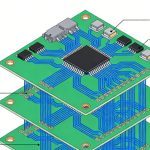
Rigid PCB cost is influenced by many design decisions, including material choice, layer count, board size, and manufacturing complexity. Effective cost optimization balances performance requirements with practical manufacturing constraints.
This article explains rigid PCB cost optimization and material selection, helping engineers reduce cost without compromising reliability.
🔗 Part of the Rigid PCB Design Series
Rigid PCB Design: Fundamentals, Stackup, Layout, Manufacturing, and Reliability
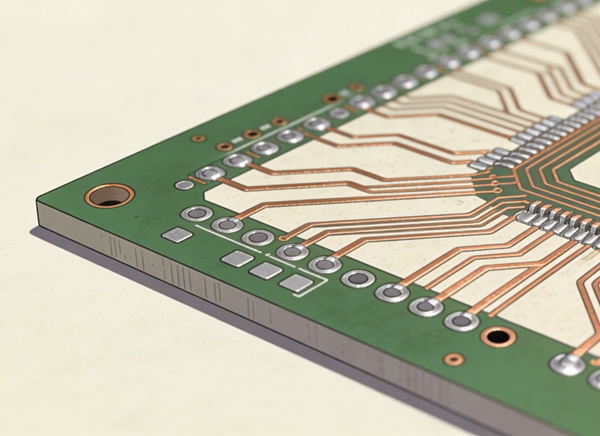
Key Factors That Affect Rigid PCB Cost
The most significant cost drivers include:
- Layer count
- Board size and panel utilization
- Material type
- Via structures
- Surface finish
Understanding these factors helps avoid unnecessary cost increases.
Layer Count Optimization
Each additional layer increases:
- Material cost
- Lamination cycles
- Drilling complexity
Reducing layer count while maintaining performance is a major cost lever.
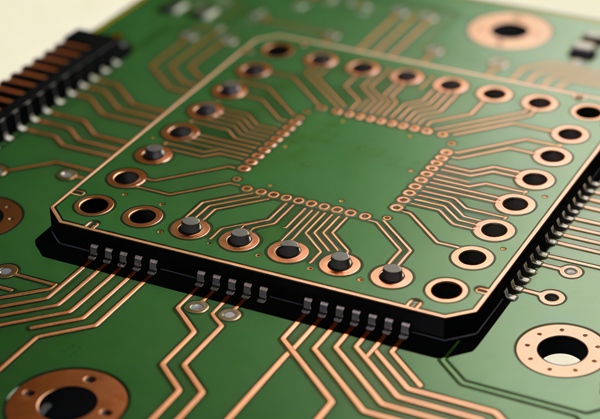
Material Selection Strategy
Common rigid PCB materials include:
- Standard FR-4 for general applications
- High-Tg FR-4 for thermal reliability
- Low-loss materials for high-speed designs
Choose materials based on real performance needs, not assumptions.
Board Size and Panel Utilization
Cost optimization techniques:
- Optimize board outline
- Improve panel utilization
- Avoid irregular shapes
Better panel efficiency reduces fabrication waste.
Via Design and Fabrication Cost
Cost increases with:
- Microvias
- Blind and buried vias
- High aspect ratios
Use advanced vias only when required.
Surface Finish Cost Considerations
Typical cost ranking (low → high):
- OSP
- HASL
- ENIG
Surface finish should match reliability requirements.
Design Complexity and Yield Impact
Complex designs can:
- Increase defect risk
- Lower yield
- Raise overall cost
Simplifying design often reduces total lifecycle cost.
Cost vs Performance Trade-Off
Optimization should focus on:
- Meeting performance targets
- Maintaining reliability
- Avoiding over-engineering
The goal is cost efficiency, not just lowest price.
Practical Cost Reduction Strategies
- Use standard materials and stackups
- Avoid tight tolerances unless necessary
- Minimize special processes
- Consult manufacturers early
Best Practices Summary
- Define performance requirements first
- Choose materials accordingly
- Simplify where possible
- Validate cost drivers with suppliers
Conclusion
Rigid PCB cost optimization requires a holistic view of design, materials, and manufacturing. Thoughtful material selection and complexity control can significantly reduce cost while maintaining product performance.
This article forms the commercial decision layer of the Rigid PCB Design content cluster.
FAQ – Rigid PCB Cost Optimization
A: Layer count and material choice.
A: Only for high-speed or high-frequency designs.
A: Yes, especially blind and buried vias.
A: Not always — depends on application needs.
A: Yes, it helps avoid expensive design choices.
A: No, it should be considered from the beginning.