Rigid PCB stackup design defines the electrical, mechanical, and manufacturing performance of a circuit board. A well-planned stackup improves signal integrity, reduces EMI, simplifies routing, and lowers fabrication risk.
This article explains rigid PCB stackup design and layer planning, helping engineers build reliable and manufacturable multilayer boards.
🔗 Part of the Rigid PCB Design Series
Rigid PCB Design: Fundamentals, Stackup, Layout, Manufacturing, and Reliability
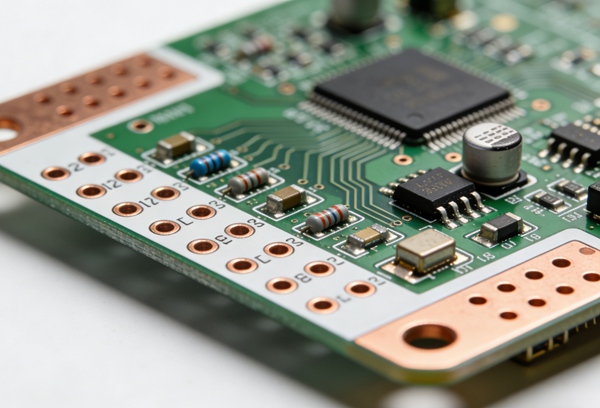
Why Stackup Design Matters in Rigid PCBs
A poorly designed stackup can cause:
- Signal integrity issues
- EMI problems
- Manufacturing yield loss
- Higher fabrication cost
Stackup decisions affect every downstream design step.
Typical Rigid PCB Layer Stackups
2-Layer Rigid PCB
- Low cost
- Limited EMI control
- Suitable for simple, low-speed designs
4-Layer Rigid PCB
Common structure:
- Top: Signal
- Inner 1: Ground plane
- Inner 2: Power plane
- Bottom: Signal
This is the most widely used rigid PCB stackup.
6-Layer and Above
Used when:
- Higher routing density is needed
- Signal integrity becomes critical
- Power distribution is complex

Core Principles of Rigid PCB Stackup Design
Symmetry for Mechanical Stability
- Balanced copper distribution
- Symmetric dielectric thickness
Prevents warpage during fabrication and assembly.
Dedicated Power and Ground Planes
Benefits include:
- Lower impedance
- Better EMI control
- Cleaner return paths
Avoid excessive plane splitting.
Signal-to-Plane Adjacency
High-speed signals should:
- Be routed adjacent to solid reference planes
- Avoid crossing plane splits
This improves impedance control.
Material Selection Considerations
Common rigid PCB materials:
- Standard FR-4
- High-Tg FR-4
- Low-loss laminates (for high-speed designs)
Material choice affects cost, loss, and reliability.
Dielectric Thickness and Impedance Control
Impedance depends on:
- Trace width
- Dielectric thickness
- Material Dk
Stackup must be defined before routing begins.
Stackup and Manufacturability
To improve manufacturability:
- Use standard core/prepreg combinations
- Avoid extreme thickness variations
- Align stackup with fabricator capabilities
Early fab consultation is recommended.
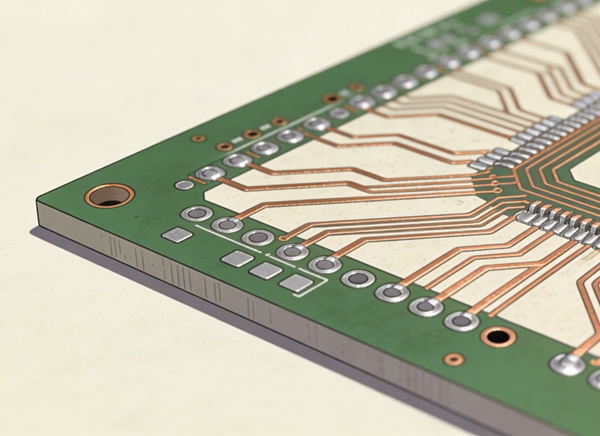
Common Stackup Design Mistakes
- Asymmetric layer structures
- Excessive plane splitting
- Undefined impedance targets
These often cause re-spins.
Best Practices Summary
- Define stackup early
- Use symmetric structures
- Allocate solid reference planes
- Choose materials based on real needs
- Validate with manufacturers
Conclusion
Rigid PCB stackup design is the foundation of electrical performance and manufacturability. A disciplined approach to layer planning ensures stable, scalable, and cost-effective PCB designs.
This article establishes the structural decision layer of the Rigid PCB Design content cluster.
FAQ – Rigid PCB Stackup Design
A: A 4-layer stackup with dedicated power and ground planes.
A: Strongly recommended to prevent warpage.
A: Not recommended for multilayer rigid PCBs.
A: When signal speed or frequency demands it.
A: Yes. Routing depends on impedance and layer structure.