A PCB that works today may still fail six months later.
That is the difference between:
functionality and reliability.
Passing electrical testing only proves:
“The board works right now.”
Reliability testing asks a different question:
“Will it still work after heat, vibration, and time?”
For high-reliability electronics, this matters as much as functionality.
What Is PCB Reliability Testing?
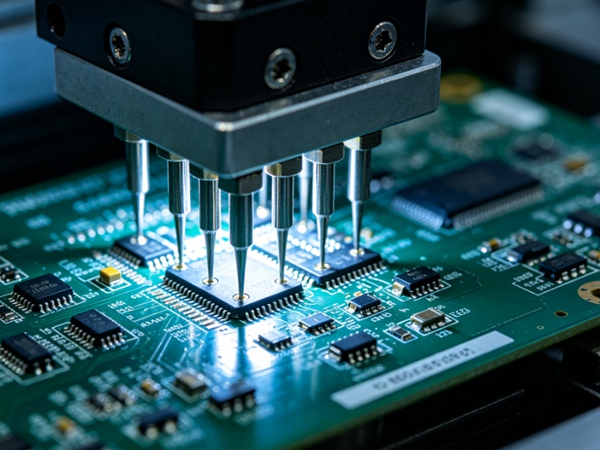
PCB reliability testing evaluates how well a board performs over time and under stress.
The goal is to identify:
- early-life failures
- weak solder joints
- thermal fatigue
- mechanical weaknesses
- long-term degradation
Instead of normal operating conditions, reliability tests intentionally apply stress.
Why Reliability Testing Matters
Electronic failures in the field are expensive.
Possible consequences include:
- warranty returns
- downtime
- safety risks
- product recalls
In industries like automotive or medical devices:
reliability is often mandatory—not optional.
Common PCB Reliability Testing Methods
Different products require different tests.
The most common methods include:
- thermal cycling
- burn-in testing
- vibration testing
- humidity testing
- thermal shock
Each reveals different failure mechanisms.
Thermal Cycling Test
Thermal cycling repeatedly changes temperature between hot and cold conditions.
Example:
-40°C → +125°C → repeatPurpose:
- simulate long-term temperature stress
- expose material expansion mismatch
This often reveals:
- solder fatigue
- via cracking
- laminate stress
Especially important for:
- automotive electronics
- outdoor equipment
- industrial systems
Why Thermal Cycling Causes Failures
Different materials expand differently.
For example:
- copper
- solder
- FR4 laminate
- ceramic components
expand at different rates.
Repeated expansion and contraction creates mechanical stress.
Over time:
- solder cracks form
- vias weaken
- electrical failure becomes possible
Related: PCB Via Design in High-Speed Circuits
Burn-In Testing
Burn-in testing runs a PCB continuously for an extended period.
Typical conditions:
- elevated temperature
- electrical load
- continuous operation
Purpose:
identify early-life failures before shipment
This is based on a common reliability principle:
weak components tend to fail early.
Burn-in helps remove these failures before products reach customers.
What Burn-In Testing Can Reveal
Common issues found:
- unstable ICs
- weak solder joints
- thermal problems
- intermittent electrical faults
Often used in:
- medical devices
- telecom systems
- industrial controls
Vibration Testing
Vibration testing simulates real-world mechanical movement.
Examples:
- vehicle movement
- machinery vibration
- shipping stress
Purpose:
- verify solder integrity
- check connector stability
- test mechanical robustness
Critical for:
- automotive
- aerospace
- transportation electronics
Thermal Shock Testing
Thermal shock is different from thermal cycling.
Instead of gradual temperature changes:
the board experiences sudden temperature transitions.
Example:
Cold chamber → hot chamberThis creates stronger mechanical stress.
Used to reveal:
- material weakness
- solder cracking
- delamination risk
Humidity and Environmental Testing
Moisture can damage electronics over time.
Humidity testing evaluates:
- corrosion resistance
- insulation performance
- long-term stability
Especially important for:
- outdoor electronics
- marine systems
- industrial environments
Reliability Testing vs Functional Testing
| Aspect | Functional Testing | Reliability Testing |
|---|---|---|
| purpose | verify operation | verify long-term durability |
| timing | before shipment | qualification stage |
| stress level | normal | accelerated stress |
| focus | functionality | lifespan |
Related topic: Functional Testing in PCB Assembly
When Is Reliability Testing Necessary?
Usually recommended for:
Automotive Electronics
Exposure to:
- vibration
- heat cycles
- harsh environments
Aerospace Systems
Extreme reliability requirements.
Medical Electronics
Failure tolerance is extremely low.
Industrial Equipment
Long operating hours and harsh conditions.
High-Cost Products
When field failure cost is significant.
How to Improve PCB Reliability
Good reliability starts in design.
- 1. Choose Proper Materials
Material selection matters.
For example:
. high-Tg FR4
. ceramic substrates
. low-CTE materials
Related: FR4 vs High-Tg FR4: What’s the Difference - 2. Improve Thermal Design
Poor thermal management accelerates failure.
- 3. Strengthen Solder Joint Reliability
Proper pad design reduces stress.
- 4. Reduce Mechanical Weakness
Support:
. connectors
. large components
. heavy modules - 5. Design for Manufacturability
Consistent manufacturing improves reliability.
Related: High-Speed PCB Design for Manufacturing & Yield
Common Reliability Testing Mistakes
Typical issues:
- skipping environmental testing
- relying only on room-temperature testing
- ignoring vibration risk
- no thermal fatigue validation
- late-stage reliability planning
Reliability problems are cheaper to solve before production.
Practical Notes from Real Production
What often happens:
- many failures appear only after temperature stress
- intermittent faults often show during burn-in
- vibration failures usually involve connectors or solder joints
- thermal cycling frequently reveals weak vias
Boards that pass day one testing do not always survive long-term use.
Conclusion
PCB reliability testing helps verify whether electronics can survive real-world operating conditions over time.
Methods such as thermal cycling, burn-in testing, and vibration testing expose weaknesses before products reach customers. For high-reliability industries, reliability testing is often essential for reducing failures and improving long-term performance.
FAQ
A: It evaluates long-term PCB performance under stress conditions.
A: A test that repeatedly changes temperature to simulate long-term environmental stress.
A: It helps identify weak components and early-life failures.
A: Automotive, aerospace, medical, industrial, and telecom industries commonly require it.
A: No. Functional testing verifies operation, while reliability testing verifies durability over time.