Understanding the pros and cons of different PCB surface finishes is essential for designing reliable, cost-effective electronics. Hot Air Solder Leveling (HASL) has been a staple in the PCB manufacturing industry for decades. But is it still the right choice for your project today? Let’s dive deep into the advantages, disadvantages, and the general process of HASL.
What is HASL (Hot Air Solder Leveling)?
HASL stands for Hot Air Solder Leveling. It is a type of surface finish applied to printed circuit boards (PCBs) to protect the exposed copper circuitry from oxidation and to ensure excellent solderability during the PCB assembly process. The board is submerged in molten solder (typically a tin-lead alloy or a lead-free alternative), and then high-pressure hot air is used to blow off the excess solder, leaving a thin, protective layer over the copper pads.
The Pros of Using HASL
When weighing the pros and cons of HASL, the advantages often make it a compelling choice for many standard applications:
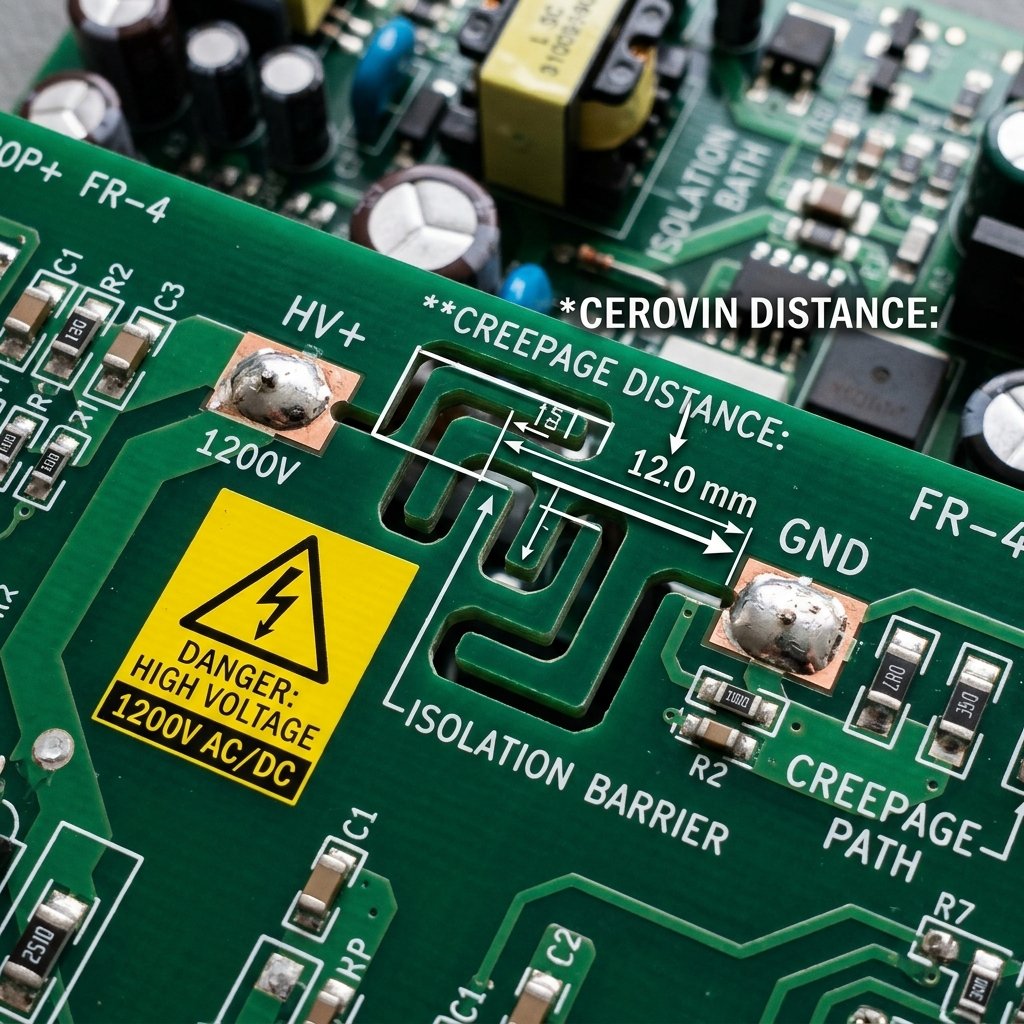
- Cost-Effectiveness: HASL is one of the most affordable surface finishes available, making it ideal for large production runs and budget-conscious projects.
- Excellent Solderability: The process essentially pre-tins the pads, resulting in superb wetting and solderability during component placement.
- Durability and Shelf Life: Boards finished with HASL have a remarkably long shelf life. The robust solder layer protects the underlying copper for extended periods.
- Widespread Availability: Almost every PCB manufacturer in the world offers HASL, ensuring you can easily source your boards without specialized requirements.
- Easy Inspection: The shiny surface of a HASL finish makes visual inspection of solder joints straightforward.
The Cons of Using HASL
Despite its benefits, the pros and cons analysis isn’t complete without looking at the drawbacks. HASL is not suitable for every design:
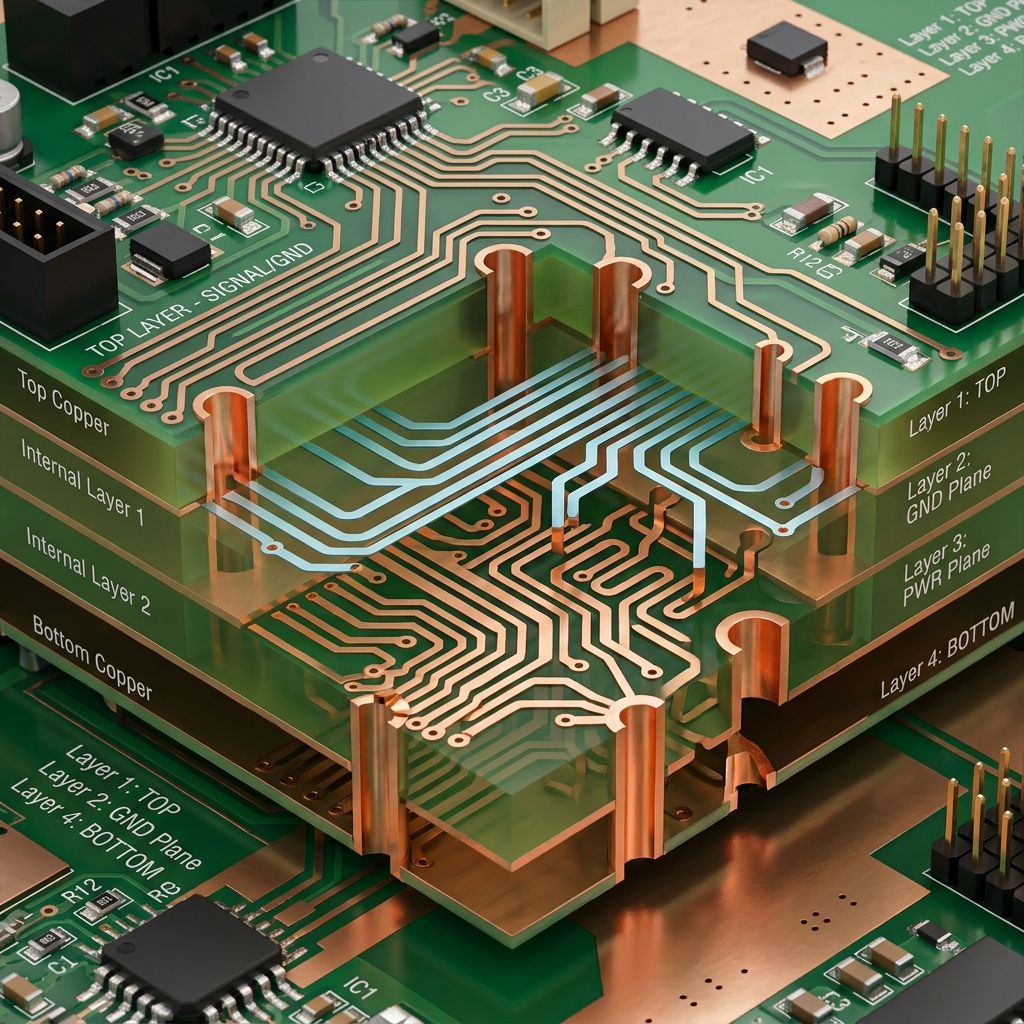
- Uneven Surface Planarity: The hot air leveling process leaves a slightly uneven, domed surface on the pads. This unevenness can cause significant issues when mounting fine-pitch Surface Mount Technology (SMT) components or Ball Grid Arrays (BGAs). If you have fine pitch requirements, you might need to consider ENIG or other flat finishes.
- Thermal Shock: The process involves submerging the entire board in molten solder, subjecting it to a severe thermal shock that can potentially warp thin boards or damage delicate via structures.
- Not Ideal for High-Density Interconnects (HDI): Due to the surface planarity issues and the potential for bridging between closely spaced pads, HASL is generally not recommended for HDI boards.
- Environmental Concerns (Leaded HASL): Traditional HASL uses tin-lead solder, which is not RoHS compliant. While Lead-Free HASL is available, it requires higher processing temperatures, exacerbating the thermal shock issue.
How the HASL Process Works
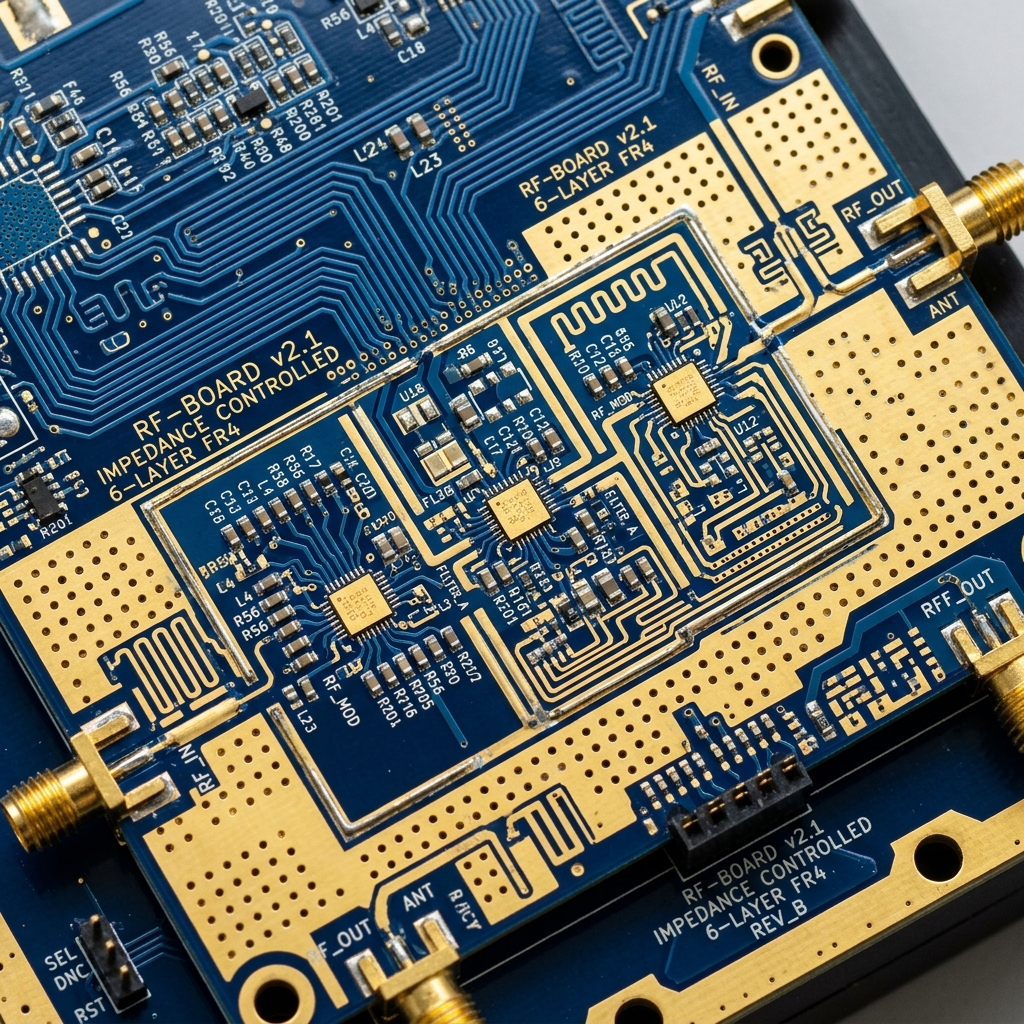
The HASL application process involves several distinct steps to ensure a high-quality finish.