The Unique Benefits of Immersion Silver PCB Finish for High Frequency Signals
When dealing with high frequency signals in modern electronics, every single element of your Printed Circuit Board (PCB) matters immensely. From the dielectric constant and loss tangent of the substrate material to the specific routing geometry of the copper traces, precision is absolute key to success. However, one often-overlooked factor that plays a critically important role in overall signal integrity is the surface finish applied to the exposed copper pads. Today, we will explore in detail the unique benefits of Immersion Silver (often referred to simply as ImAg) as a PCB surface finish, specifically focusing on its exceptional performance characteristics in demanding high frequency signal applications.
Understanding Immersion Silver (ImAg)
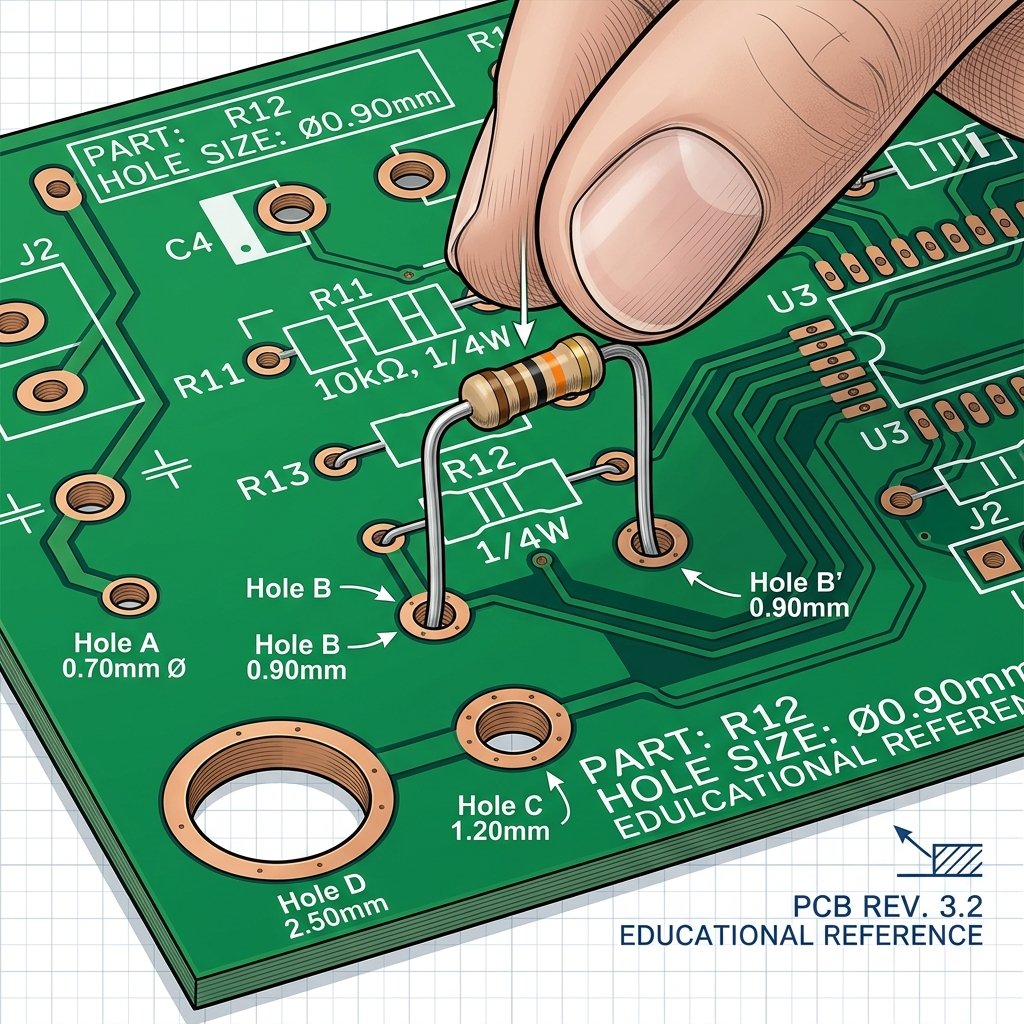
Immersion Silver is a highly specialized metallic finish applied directly to the copper circuitry of a printed circuit board through a chemical displacement reaction. This controlled manufacturing process deposits a thin, uniform, and dense layer of pure silver directly onto the exposed copper pads and vias. Unlike traditional Hot Air Solder Leveling (HASL), which can leave an uneven and bumpy topography across the board, Immersion Silver provides an exceptionally flat and coplanar surface. This high degree of planarity is highly desirable and often strictly required for mounting fine-pitch surface mount components and dense Ball Grid Arrays (BGAs). Furthermore, silver is scientifically known for having the absolute highest electrical conductivity of any naturally occurring metal, making it an incredibly excellent material choice for high-performance electronics.
The Critical Importance of Surface Finishes in High Frequency Signals
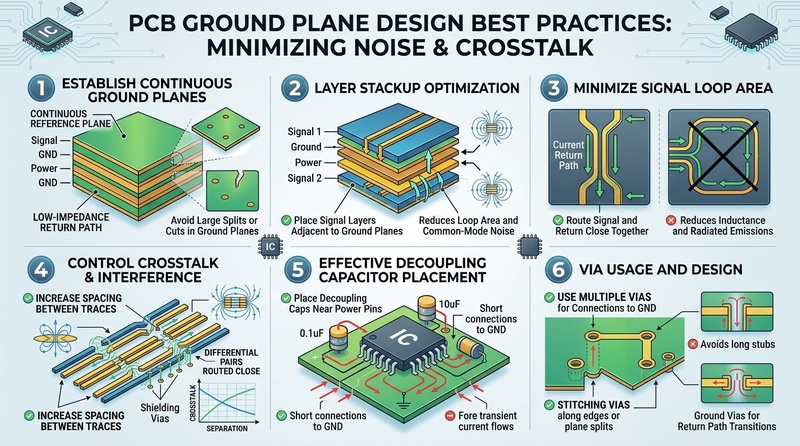
In standard low-frequency electronic applications, the electrical current flows relatively evenly through the entire cross-section of the copper trace. However, as the signal frequency increases—typically becoming a major concern at frequencies above 1 GHz—a physics phenomenon known as the “skin effect” begins to dominate the electrical behavior. The skin effect causes the alternating current (AC) to distribute itself unevenly, such that the current density is largest near the outer surface (or “skin”) of the conductor and decreases exponentially deeper into the core of the copper material.
Because the high-frequency current travels primarily along the very outer skin of the trace, the electrical and magnetic properties of the applied surface finish become a critical, unavoidable part of the conductive path. If a surface finish has relatively low conductivity or inherently magnetic properties (such as the nickel barrier layer famously used in ENIG finishes), it can introduce significant signal attenuation, insertion loss, and unpredictable impedance variations. This is precisely why electronics engineers must be incredibly careful and deliberate when selecting materials during advanced high frequency PCB design.
The Unique Benefits of Immersion Silver
Now, let us delve much deeper into the unique benefits of Immersion Silver when it is specifically applied to high-speed digital and high-frequency analog circuit boards.
- Exceptional Signal Integrity and Low Loss: As previously mentioned, silver is the most electrically conductive metal available. Because the skin effect forces high-frequency signals to travel along the very surface of the trace, the signal essentially travels directly through this highly conductive silver layer. This physical reality minimizes insertion loss, reduces attenuation, and preserves signal integrity significantly better than finishes utilizing nickel barriers.
- Zero Magnetic Interference: Unlike Electroless Nickel Immersion Gold (ENIG), which necessitates the use of a magnetic nickel barrier layer to prevent copper migration, Immersion Silver contains absolutely no magnetic materials. This complete absence of nickel means there are zero ferromagnetic losses, which is an absolutely critical requirement for sensitive RF (Radio Frequency), microwave, and millimeter-wave applications.
- Excellent Surface Planarity for Assembly: For complex, high-layer-count, high-frequency boards that often utilize densely packed, small-form-factor components, the extremely flat surface of ImAg ensures highly reliable solder joint formation. This reduces assembly defects, lowers rework rates, and improves overall manufacturing yields compared to HASL.
- Cost-Effective High Performance: While providing high-end electrical performance that is comparable to, or in RF applications often exceeding, that of ENIG, Immersion Silver is generally much more cost-effective to produce. You can learn significantly more about how its cost and performance compare to other available options in our comprehensive surface finishes guide.
How to Choose the Right Finish for High Frequency Boards
Selecting the optimal surface finish for your specific project requires carefully balancing electrical performance, manufacturing cost, and expected shelf-life requirements. Follow these critical steps to make the right choice for your high frequency PCB.
Step 1: Evaluate Maximum Operating Frequencies
Determine the absolute maximum frequency your circuit board will operate at. If your primary signals exceed the 1-2 GHz threshold, the skin effect will be highly prominent. In these cases, finishes without a nickel layer, like Immersion Silver or OSP, are highly preferable over ENIG to maintain signal strength.
Step 2: Assess Component Assembly Requirements
Carefully consider the types of components you are mounting to the board. If your design includes fine-pitch BGAs, QFNs, or other dense packages, you absolutely need a highly planar surface. Both Immersion Silver and ENIG offer this excellent planarity, whereas standard HASL simply does not.
Step 3: Analyze Storage and Shelf Life Needs
Immersion Silver can tarnish if exposed directly to sulfur compounds in the ambient air, which can eventually impact solderability over a long storage period. Ensure your manufacturing supply chain can easily accommodate the typical 6-12 month shelf life, or consider how it holds up when reviewing an in-depth immersion gold vs silver comparison for longer-term storage needs.
Step 4: Consult Closely with Your Manufacturer
Always proactively discuss your specific application and requirements with your chosen PCB fabricator early in the design process. They can provide valuable insight into their specific chemical processes and help you finalize the absolute best finish for your RF or high-speed digital design.
Frequently Asked Questions About Immersion Silver
Does Immersion Silver tarnish easily, and how can it be prevented?
Yes, Immersion Silver is inherently sensitive to environmental contaminants, particularly airborne sulfur, which directly causes it to tarnish. However, proper handling and packaging (such as wrapping boards in sulfur-free paper and utilizing vacuum-sealed bags with desiccants) significantly mitigates this issue, effectively preserving the finish’s solderability until the assembly stage.
Why exactly is Immersion Silver considered better than ENIG for RF signals?
ENIG (Electroless Nickel Immersion Gold) contains a relatively thick layer of nickel, which is ferromagnetic and inherently has higher electrical resistance. At high frequencies, the skin effect forces the signal directly into this resistive nickel layer, causing noticeable signal loss, attenuation, and phase distortion. Immersion Silver avoids this problem completely because it is purely composed of silver, which is highly conductive and entirely non-magnetic.
Can Immersion Silver finished boards be used for multiple reflow cycles?
Yes, Immersion Silver is completely capable of withstanding multiple high-temperature soldering reflow cycles. However, extra care and strict process controls must be taken during the Процесс изготовления печатных плат and assembly stages to prevent excessive oxidation or contamination of the pads between consecutive heating cycles.